Understanding Closing Costs for Home Buyers
Real Estate, Home Buying, Closing Costs
Understanding Closing Costs When Buying a Home
Closing costs can surprise many first-time and even repeat homebuyers. By understanding what these fees are, why they exist, and how to plan for them, you can approach your home purchase with confidence instead of last‑minute stress.
What Are Closing Costs?
Closing costs are the fees and expenses you pay at the final step of buying a home, in addition to your down payment. They cover the work done by lenders, attorneys, appraisers, title companies, and local governments to legally transfer the property into your name and fund your mortgage loan. You typically pay them at the “closing table,” either in person or electronically on the day your purchase becomes official.
Most buyers can expect closing costs to range from about 2% to 5% of the home’s purchase price. On a $350,000 home, that could mean an extra $7,000 to $17,500 due at closing, depending on your location, loan type, and the specific services required.
Common Types of Closing Costs Explained
While the exact list will vary, many homebuyers see similar categories of fees on their closing disclosure. Understanding each one makes the overall number feel far less mysterious.
Lender fees: These can include an origination fee for processing your loan, application fees, and sometimes discount points if you choose to pay upfront to lower your interest rate.
Appraisal and inspection costs: An appraisal confirms the home’s value for the lender, while inspections help you understand the condition of the property. These are usually paid before closing but are part of your overall closing budget.
Title search and title insurance: A title company checks public records to ensure the seller can legally transfer ownership. Title insurance protects you and your lender against future claims or errors in those records.
Government recording and transfer fees: Your local government charges fees to record the deed and, in some areas, transfer taxes or stamp duties to document the sale.
Prepaid expenses: These include property taxes, homeowner’s insurance, and daily interest from the day you close until your first mortgage payment. They are “prepaid” because they cover future days of ownership.
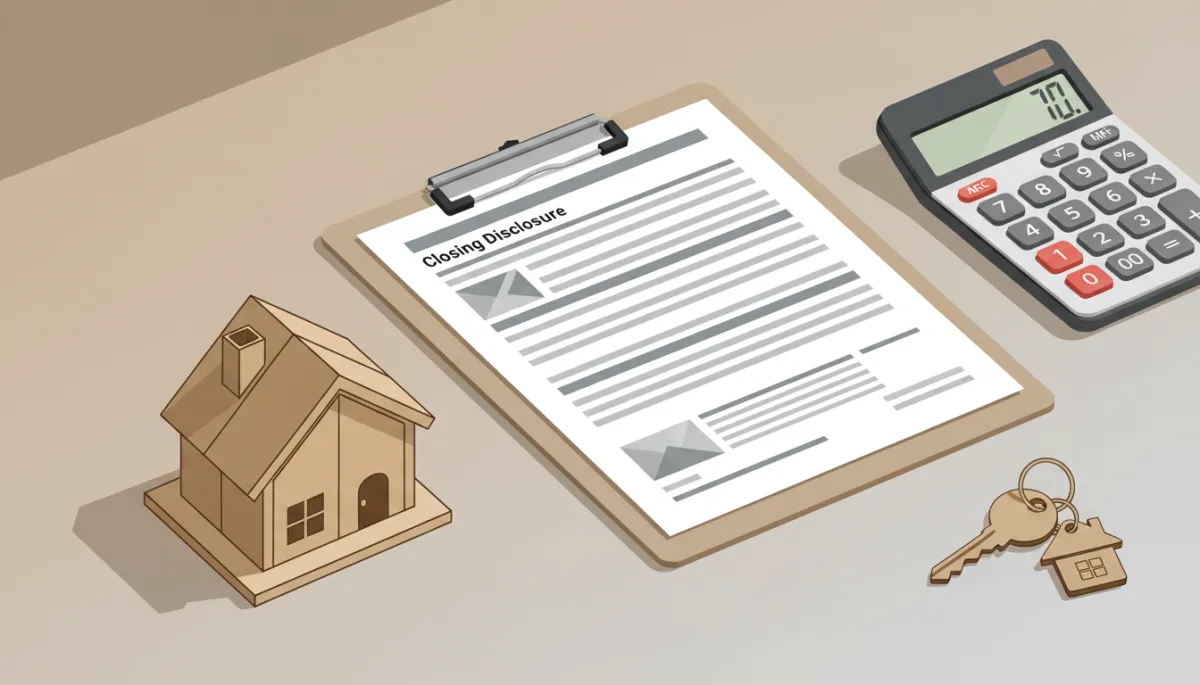
Reviewing your closing disclosure early helps you spot questions and avoid surprises.
How Closing Costs Fit Into the Home Buying Process
When you’re buying a home, it’s easy to focus on the purchase price and down payment alone. Yet closing costs are a crucial part of your total cash needed to buy. Lenders are required to give you a Loan Estimate early in the process and a final Closing Disclosure at least three business days before you sign. These documents outline every fee so you can see exactly where your money is going.
As you compare homes and mortgage offers, look not only at interest rates but also at the estimated closing costs. A slightly lower rate with very high fees may not be the best overall deal. Ask your lender to walk through each line item and clarify which fees are set by them, which are third‑party charges, and which are required by your local laws.
Strategies to Prepare for and Manage Closing Costs
Planning ahead is the best way to keep closing costs from derailing your home purchase. Consider these practical steps as you move through the buying process.
Budget beyond the down payment: When you start saving, set a target that includes both your down payment and an additional 2% to 5% of your expected purchase price for closing costs.
Shop around for services: Some items, such as title services or homeowner’s insurance, may be open to comparison shopping. Choosing competitive providers can reduce your overall costs.
Ask about seller or lender credits: In some markets, sellers may agree to cover part of your closing costs as part of the negotiation. Certain lenders also offer credits in exchange for slightly higher interest rates.
Review your documents early: Carefully reading your Loan Estimate and Closing Disclosure gives you time to question unfamiliar fees and correct errors before closing day.
Turning a Big Expense Into a Predictable Step
Closing costs are a significant part of buying a home, but they don’t have to be intimidating. When you know what to expect, you can save strategically, compare offers wisely, and negotiate with confidence. Instead of feeling like an unwelcome surprise, closing costs become just one more planned step on your path to owning a home that fits your life and your budget.
