Suburban Squeeze: Triangle Housing Price Drops
Real Estate, Triangle Housing Market
The Suburban Squeeze: Why Outer-Ring Triangle Suburbs Are Seeing the Biggest Price Reductions
After years of relentless appreciation, the Triangle’s housing market is finally normalizing—and it’s the far‑flung suburbs feeling the sharpest pinch. Here’s what’s behind the “suburban squeeze” and what it means for buyers and sellers on the region’s outer edges in 2026.
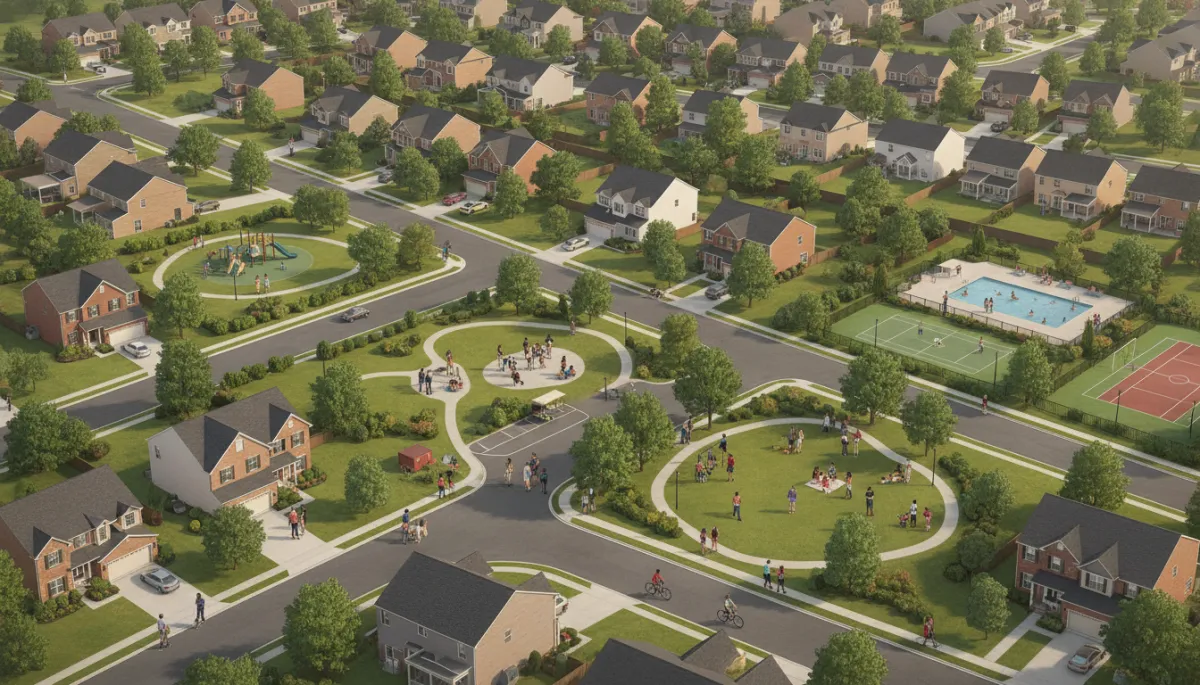
The Suburban Squeeze in the Triangle
How outer-ring suburbs are adjusting to a cooler 2026 market
1. Defining the Suburban Squeeze in the Triangle
The “suburban squeeze” describes the pressure building on outer‑ring Triangle suburbs—those communities just beyond Raleigh, Durham, Cary, and Chapel Hill that boomed during the pandemic. As buyers rushed to lock in low interest rates and more space, new subdivisions pushed deeper into Wake, Johnston, Franklin, and Chatham counties. Prices surged, sometimes faster than local incomes or amenities could keep up.
Fast‑forward to 2026, and the broader Triangle market has cooled into a more balanced, almost 2019‑style environment. Region‑wide, median prices hover around the low‑ to mid‑$400,000s, inventory is up, and homes are taking roughly a month or more to sell (Axios; Triangle MLS mid‑2026 data). Yet beneath those headline numbers, not all suburbs are sharing the same experience. Inner‑ring hot spots like Durham, Chapel Hill, and Cary still see modest price gains and steady demand, while some outer‑ring areas are starting to bend under the weight of higher inventory and shifting buyer priorities.
📌 Key Takeaway: The suburban squeeze isn’t a crash—it’s a rebalancing, and it’s hitting the newest, farthest‑out neighborhoods first.
2. Why Outer-Ring Triangle Suburbs Are Seeing the Biggest Price Reductions
Several powerful forces are converging to put downward pressure on list prices—and, increasingly, on final sale prices—in the Triangle’s outermost suburbs. While the overall region remains fundamentally strong, with robust population and job growth (Southeast Economy mid‑year outlook), the balance of power has tilted away from sellers on the fringe and toward choosier buyers.
A. From “Drive Till You Qualify” to “Location Really Matters”
During the pandemic, the Triangle’s mantra was “drive till you qualify.” Buyers priced out of Raleigh, Cary, or Durham stretched to new construction in exurban communities where land was cheaper and builders could add hundreds of homes at once. That surge helped fuel a housing boom across the region (WRAL; Triangle Business Journal).
In 2026, that logic is changing. With I‑540 and other infrastructure projects largely complete, buyers are weighing commute times, school quality, and access to parks, retail, and employment more carefully (Jim Allen Group 2026 forecast). Many are willing to choose a smaller home closer in over a larger home that adds 30–45 minutes to the daily drive. Outer‑ring neighborhoods that relied almost entirely on “more house for the money” are now being repriced to reflect that trade‑off.
B. Inventory Has Finally Caught Up on the Fringe
Across the Triangle MLS, inventory is up mid‑single digits year‑over‑year, and closed sales have climbed even as days on market lengthen (Tana Widdows, June 2026 report). In inner‑ring markets, that extra inventory simply brings buyers more choice. In outer‑ring suburbs, however, it can tip into oversupply—especially where multiple large subdivisions are delivering similar homes at the same time.
Builders are more willing to cut prices or offer concessions on the fringe to keep sales velocity up. Resale sellers nearby, who listed based on 2022–2023 peak comps, are being forced to follow suit. The result: visibly larger list‑price reductions and more frequent price drops before contract in many outer‑ring communities, even while the region’s median price remains flat to slightly positive.
C. Competing with a Softer Rental and Condo Market
Another under‑the‑radar factor: renters and would‑be first‑time buyers now have more options closer to the urban core. A construction wave in multifamily housing has pushed Triangle apartment vacancies higher and tempered rent growth (Lee & Associates Q1 2026 multifamily report; Axios). At the same time, luxury and mid‑range condo projects in downtown Raleigh and Durham are expanding the menu of ownership choices in walkable locations.
For some households, the decision is now between a new‑build townhome 35 miles out or a slightly smaller condo or rental closer in, with shorter commutes and richer amenities. That competition erodes the pricing power of outer‑ring sellers who once faced little rivalry from urban product.
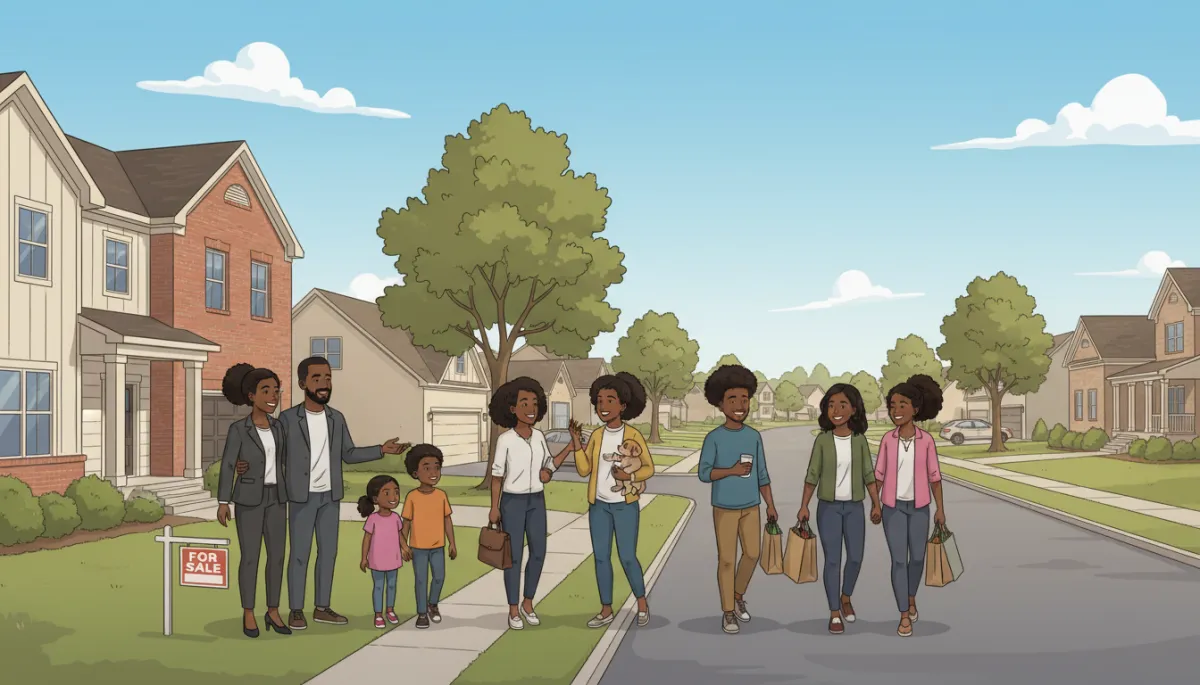
Higher inventory and similar floor plans are forcing outer-ring sellers to adjust pricing expectations.
D. Interest Rates and Affordability Are Rewriting the Math
Mortgage rates in the low‑6% range have cooled the frenzy without collapsing demand (Sizemore Residential, 2026 trends). For many buyers, a higher monthly payment means they can no longer stretch for “everything on the wish list.” Instead, they are prioritizing stability, shorter commutes, and established neighborhoods over sheer square footage.
That shift hits hardest in communities where prices ran ahead of local wages during the boom. In some outer‑ring areas, sellers who bought at the top of the market now face a tough choice: reduce the price to meet today’s buyers or sit on the market for months in a region where homes are already taking 30–60 days to sell on average (Southeast Economy mid‑year outlook).
E. Micro-Markets: Not All Suburbs Are Created Equal
It’s important to stress that “outer ring” doesn’t automatically mean “weak.” Chatham County, for example, shows mid‑market strength with average sale prices above $900,000 and only slightly longer days on market (Tana Widdows, June 2026). Well‑planned master‑planned communities with strong schools, greenways, and retail can still command premiums even when they sit beyond the traditional core.
The biggest price reductions are typically concentrated in pockets where three conditions overlap:
Rapid, largely homogeneous new construction (many similar homes competing at once)
Limited nearby employment centers, retail, or transit options
Sellers anchored to 2022 peak pricing rather than 2026 realities
💡 Pro Tip for Buyers: Use neighborhood‑level data—not just metro averages—to spot outer‑ring pockets where motivated sellers and builder incentives create genuine value.
What the Suburban Squeeze Means for Buyers and Sellers in 2026
For buyers, the suburban squeeze can be an opportunity. Outer‑ring homes that would have drawn multiple offers in 2021 now sit longer and often close below asking price. Prepared, data‑savvy buyers can negotiate better terms, rate buydowns, or closing‑cost help—especially in subdivisions with several similar listings.
For sellers, especially those on the fringe, strategy is everything. Pricing realistically from day one, investing in presentation, and understanding how your neighborhood compares with closer‑in alternatives are critical. In a normalized market, overpricing is punished quickly with stagnation and, ultimately, steeper reductions.
The Triangle’s long‑term fundamentals—population growth, job creation, and regional appeal—remain firmly in place. But the era when any house in any subdivision would sell in days at any price is over. In 2026, location, lifestyle, and micro‑market nuance once again rule the day—and nowhere is that clearer than in the outer‑ring suburbs feeling the suburban squeeze.
