Triangle Market Split: City Hot, Suburbs Price Cuts
Real Estate, Triangle Market, Inside the Beltline, Suburbs
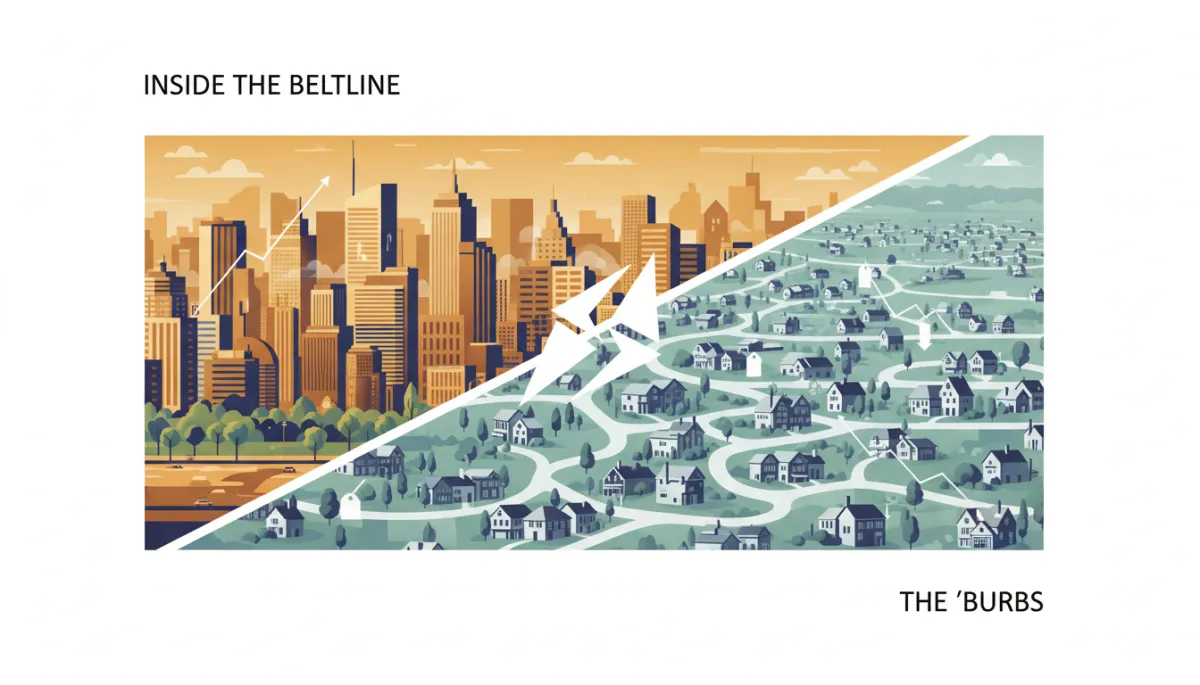
The Triangle Is Splitting in Two: Inside the Beltline Stays Hot While the 'Burbs See Price Cuts
As the Triangle housing market moves into late summer 2026, a clear divide is emerging: homes in coveted, close‑in neighborhoods are still commanding top dollar, while many suburban sellers are quietly trimming their asking prices to meet a more cautious, value‑driven buyer pool.
1. The Triangle Is Splitting in Two
Region‑wide, the Triangle is no longer the runaway, bidding‑war market it was during the pandemic. Inventory is up roughly 7–8% year‑over‑year, and days on market have stretched to about 26 days on average, according to recent June data (Tana Widdows). Median sales prices are still inching higher—around $415,000–$420,000 across the Triangle—but the pace has cooled, and buyers have more leverage than they’ve had in years.
That said, the “average” story hides a sharp split. On one side are close‑in, high‑amenity areas—think Raleigh’s Inside‑the‑Beltline neighborhoods and walkable cores in Durham and Chapel Hill—where demand remains intense and prices are sticky. On the other are farther‑flung suburbs and exurban communities where new construction and higher mortgage rates have combined to soften prices and force more realistic seller expectations. The Triangle Business Journal recently described the shift as a “return to something much healthier,” with the market finding balance instead of runaway escalation (Triangle Business Journal).
📌 Key Takeaway: The Triangle overall is balanced, but not uniform—location and lifestyle now matter more than ever to pricing power.
2. Inside the Beltline Stays Hot
Inside the Beltline, the Triangle’s version of “intown” living, is holding its premium. While exact August 2026 numbers are still coming in, recent intown data from comparable markets show a clear pattern: homes close to job centers, cultural hubs, and transit continue to command substantially higher prices than their metro‑wide averages. In Atlanta, for example, neighborhoods along the BeltLine corridor are seeing typical sale prices in the $600,000–$900,000 range—far above the city’s median in the low $400,000s (Adams Realtors; The Agency Atlanta). The Triangle’s Inside‑the‑Beltline neighborhoods show a similar “urban premium” effect.
In Raleigh, median prices hover around $460,000, with average sale prices above $630,000 thanks to high‑end intown properties (Tana Widdows). Durham’s core is similarly resilient: closed sales are up nearly 25% even as inventory rises by more than 16%, and median prices are holding steady around $425,000. That combination—more listings, brisk sales, and firm pricing—signals healthy, sustained demand rather than a cooling market.
Affordability pressures are real enough that some cities are rolling out targeted support. Along Atlanta’s BeltLine, for instance, a new mortgage assistance program now offers up to $30,000 in down‑payment help to eligible buyers (Invest Atlanta). While the Triangle doesn’t have an identical program, the message is familiar: close‑in homes remain aspirational, and local leaders recognize how hard it can be for everyday buyers to compete in these premium areas.
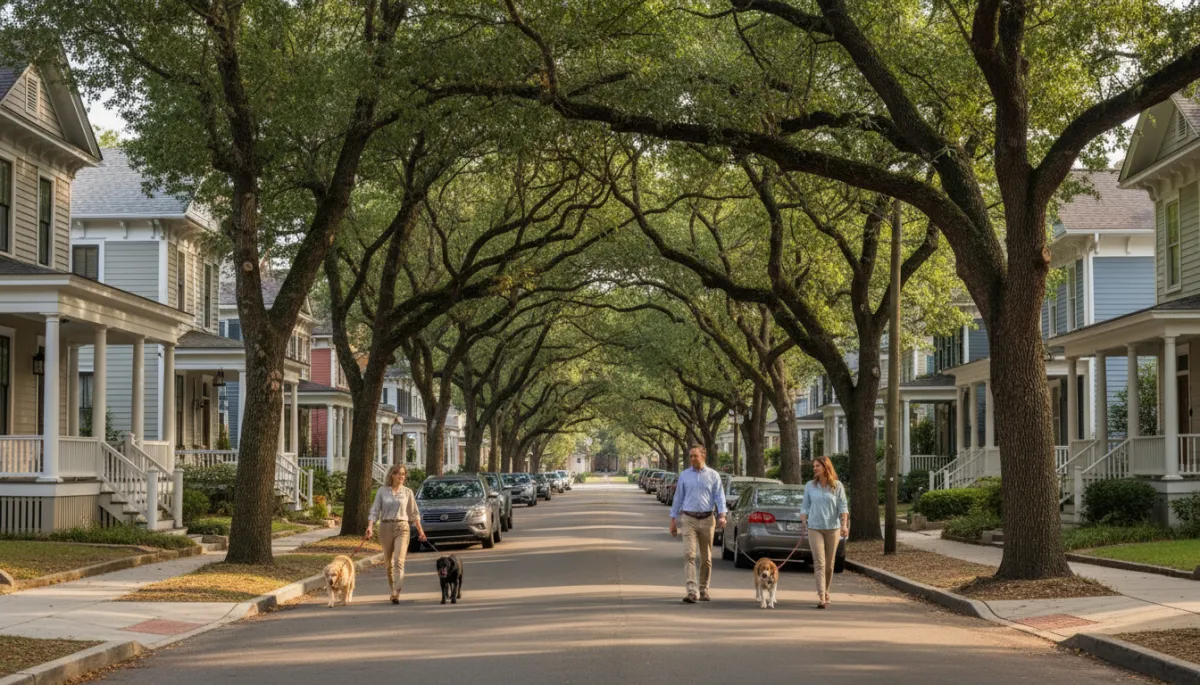
Walkable, amenity-rich intown neighborhoods continue to justify higher prices and faster sales.
💡 Pro Tip for Buyers: If you want Inside‑the‑Beltline convenience on a budget, look for smaller homes or townhomes just outside the hottest micro‑neighborhoods; you may gain negotiating room without sacrificing location.
3. The 'Burbs Get Price Cuts
Drive 20–40 minutes out from the Triangle’s urban cores, and the tone shifts. Across the country, suburbs are seeing more frequent markdowns as higher borrowing costs cap what buyers can afford. Nationally, about 18.8% of listings had a price reduction in June 2026, and median list prices were down 2.5% year‑over‑year—the steepest annual drop since 2017 (Realtor.com). In some Sun Belt suburbs, nearly a third of listings are being discounted, with typical cuts around $15,000 or roughly 3.5–4.5% off the original ask (The Kinne Group; GoBankingRates).
The Triangle’s suburbs aren’t immune to this pattern, even if the region remains fundamentally strong. Inventory is climbing in many outlying areas, especially where new subdivisions and townhome communities have come online. Buyers have choices—and they know it. Instead of bidding wars, we’re seeing more measured offers, inspection contingencies back in play, and sellers who adjust quickly if they overshoot on price. National data show that homes that linger on the market beyond four weeks are much more likely to need a reduction, while those that sell sooner often secure about 1.8% more (Inman).
This doesn’t mean the suburbs are in trouble. In fact, many Triangle submarkets—Cary, Apex, Morrisville, Chapel Hill, and Chatham County—are still posting higher prices and robust sales. Cary/Apex/Morrisville, for example, saw closed sales jump 16.7% with a median price around $645,000, while Chatham County’s average price soared more than 18% year‑to‑date to over $935,000 (Carl Johnson Real Estate; Tana Widdows). But even in these hot spots, the bar is higher: homes must be well‑priced, well‑presented, and move‑in ready to avoid the stigma—and financial hit—of a visible price cut.
💡 Pro Tip for Sellers: In today’s suburbs, it’s better to price accurately from day one than to “test the market” and chase buyers down with reductions later.
What This Split Means for Buyers and Sellers
For buyers, the Triangle’s two‑track market can be an opportunity. If you’re flexible on commute and lifestyle, the suburbs may offer room to negotiate, more inventory to compare, and the chance to capture a modest discount from peak pricing. If your heart is set on Inside‑the‑Beltline living, expect to pay a premium and move decisively on well‑located, well‑maintained homes—but you may still enjoy slightly more breathing room than during the pandemic frenzy.
For sellers, strategy is everything. In close‑in neighborhoods, the demand is there, but buyers are more discerning and less willing to waive protections. In the suburbs, success hinges on nailing your pricing and presentation from the start—professional photography, thoughtful staging, and a data‑driven list price that reflects today’s realities, not last year’s headlines. Across the Triangle, the wild ride is over, but a steady, sustainable market has its own advantages for those who play it smart.
