Triangle Housing Market: Time to Buy Amid Price Cuts?
Real Estate, Triangle Housing Market
Price Cuts Are Everywhere in the Triangle: Is It Finally Time to Buy?
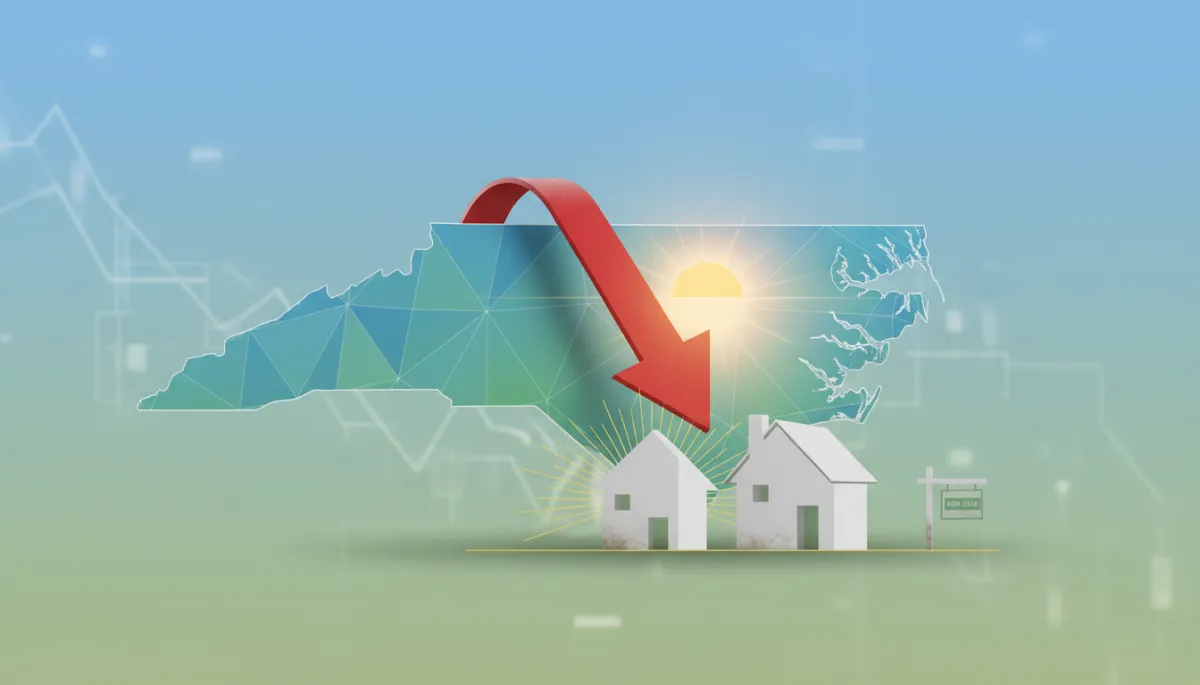
Across Raleigh, Durham, and Chapel Hill, “price reduced” tags are popping up on listings that would have sparked bidding wars just a couple of years ago. The Triangle housing market is cooling, but does that mean it is truly the right moment to make your move?
Why Price Cuts Are Suddenly Everywhere in the Triangle
The Triangle is not crashing, but it is clearly recalibrating. After years of intense competition, rising mortgage rates and affordability concerns have cooled demand just enough to force sellers to get realistic. In Raleigh, the share of listings with price reductions has jumped to nearly one in four homes, with about 25% of active listings cutting their asking price in May alone, well above the national average of roughly 18% in June (realtor.com).
At the same time, median list prices in Raleigh have slipped. Realtor.com data shows the May median list price around $469,900, down about 3.9% year-over-year, while broader forecasts suggest the Raleigh–Cary area could see prices fall roughly 3.7% in 2026(News & Observer, citing Realtor.com’s 2026 Housing Forecast). More homes are sitting longer, inventory has grown, and sellers no longer hold all the cards.
The picture is more nuanced across the region. In Chapel Hill–Durham, prices are still expected to rise about 2.9% this year, with a slight uptick in sales (News & Observer). Q1 2026 numbers show median sale prices around $380,000 in Durham County and roughly $450,000 in Orange County (sellnorthcarolinafast.com). That resilience reflects strong job growth, high incomes, and ongoing migration into the area, particularly around universities and research hubs.
Still, even in these stronger submarkets, the frenzy has cooled. Homes are taking longer to sell—often more than a month instead of just days—and negotiations are back on the table. Triangle-wide, average prices are up a modest 3% year-to-date, but that growth masks softening in Raleigh and pockets of renewed leverage for buyers (carljohnsonrealestate.com).
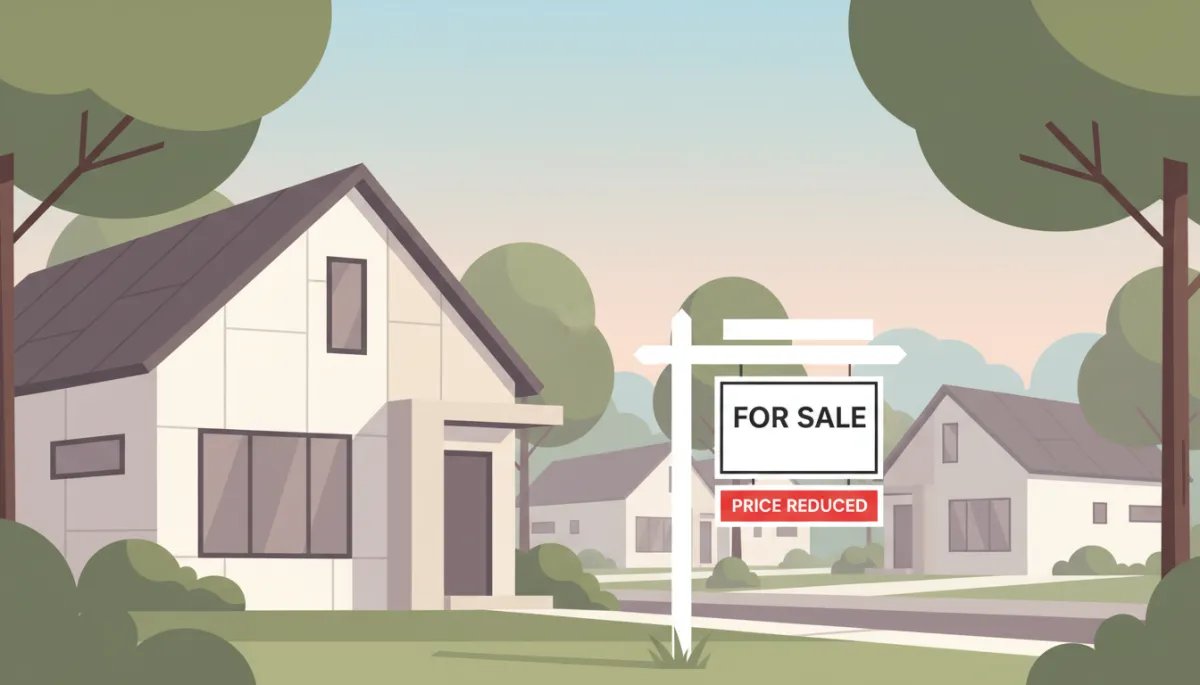
A growing share of Triangle listings now show price reductions, especially in Raleigh.
Is It Finally Time to Buy in the Triangle?
With more price cuts and less competition, the obvious question is whether now is the moment to stop waiting and start writing offers. The answer depends on where you are buying, your time horizon, and your financial comfort level—but there are compelling reasons for many would-be buyers to act in the current market rather than sit on the sidelines indefinitely.
Why Conditions Are Improving for Buyers
More choice, less pressure. Active listings in Raleigh have risen by roughly 6–11% year-over-year, and homes are taking around 34–46 days to sell instead of racing off the market (realtor.com, Redfin). That gives you time to compare neighborhoods, schedule inspections, and negotiate thoughtfully.
Real negotiating power. When nearly a quarter of sellers have already lowered their price, they are signaling a willingness to deal. Especially in Raleigh–Cary, buyers can often ask for closing cost help, repairs, or additional price flexibility on homes that have lingered on the market.
Solid long-term fundamentals. The Triangle’s job market remains a major anchor. Raleigh’s metro posted about 2.3% annual job growth through May 2026, one of the fastest rates among U.S. metros (Axios). Strong employers, universities, and in‑migration help support housing demand over the long run, even as the market cools in the short term.
When Buying Now Makes Sense
If you are planning to stay put for at least five to seven years, today’s modestly softer prices and negotiable terms can be attractive, even if mortgage rates feel higher than you would like. In many Triangle neighborhoods, especially in Raleigh and parts of Wake County, you may be able to buy a home at a small discount compared with last year and then refinance if and when rates ease in the future.
Investors may also find opportunity in select pockets. In Raleigh’s 27610 ZIP code, for instance, median list prices hover around $349,000 with median rents near $1,620 and a gross rental yield of about 5.6%(gemhaus.com). With homes spending around 120 days on the market there, patient buyers can often negotiate favorable terms while still capturing solid rental demand.
When You Might Want to Wait
Your budget is razor thin. If current mortgage rates stretch your monthly payment to an uncomfortable level, waiting, saving more, or targeting a lower price point could be wiser than buying at the edge of your means.
You need extreme short-term certainty. In submarkets like Raleigh–Cary, where forecasts still call for a few percentage points of price softening, buyers who expect to move again within two or three years may not have enough time to comfortably ride out small value dips plus transaction costs.
📌 Key Takeaway: The Triangle is shifting toward a balanced market, not a bust. For well‑qualified buyers with a medium‑ to long‑term horizon, today’s mix of price cuts, increased inventory, and solid economic fundamentals can add up to a smart window to buy—especially in softening pockets of Raleigh and surrounding suburbs.
How to Shop Smart in a Market Full of Price Reductions
Focus on value, not just the sticker. A $20,000 price cut on an overpriced home may still leave it above fair market value. Ask your agent for recent comparable sales in each neighborhood, and look at both original and current list prices.
Target homes with longer days on market. Properties sitting 30, 60, or 90+ days often signal motivated sellers. That is where you are most likely to secure additional concessions on price, repairs, or closing costs.
Consider submarket differences. In Chapel Hill–Durham, where prices are still rising modestly, the goal may be to buy before further appreciation. In Raleigh–Cary, you might push harder on negotiation, knowing that forecasts point to mild declines and more widespread reductions.
Ultimately, “Is it finally time to buy?” is less about timing the absolute bottom and more about aligning your purchase with your life plans and financial readiness. The Triangle’s July 2026 market offers something buyers have not seen in years: options, leverage, and the breathing room to make a thoughtful, informed decision.
