Triangle Budgets: First-Time Home Buying Guide
Home Buying, First-Time Buyers
From Renter to Owner: The Exact Triangle Budgets for First-Timers
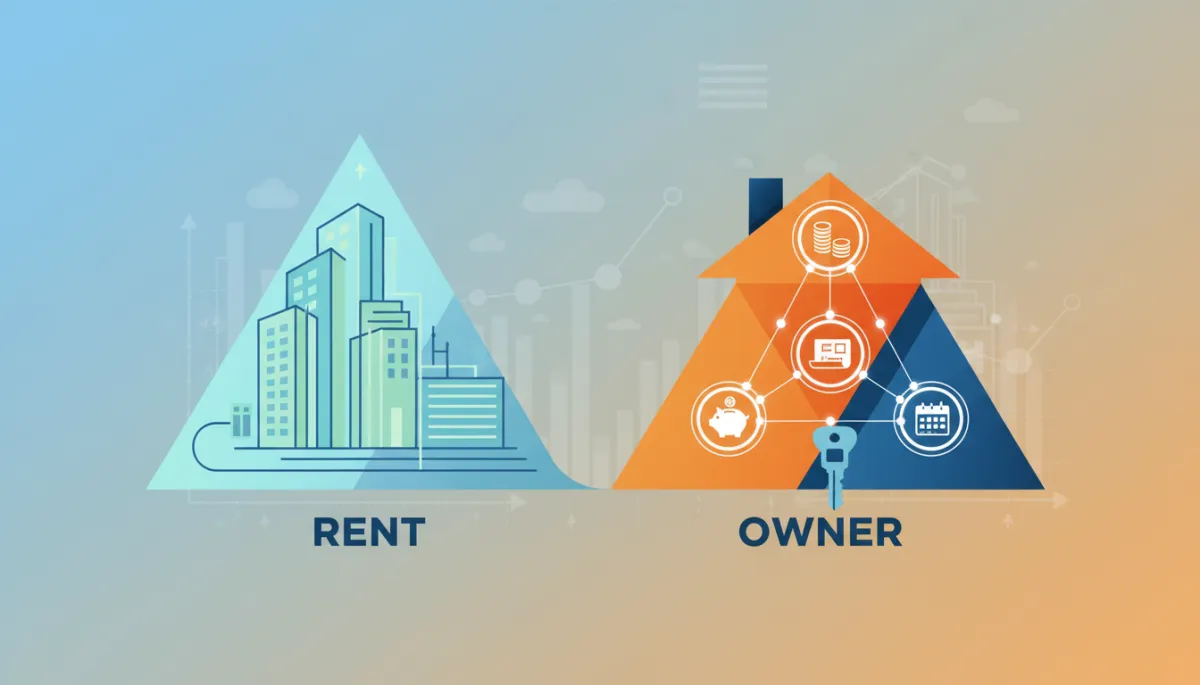
Stepping from renting into owning a home can feel overwhelming, but a simple “triangle budget” framework can turn guesswork into a clear, confident plan for your first purchase.
From Renter to Owner: Why Your Numbers Need to Change
As a renter, your housing costs are usually one line item: the monthly rent. When you become an owner, that single number splits into several moving parts: mortgage, taxes, insurance, maintenance, and upgrades. The mindset shift is moving from “Can I cover rent this month?” to “Can I sustainably own this home for years?”
Many first-time buyers make one of two mistakes. They either copy their rent and assume a similar mortgage is fine, or they focus only on the purchase price and ignore long-term costs. A triangle budget solves this by forcing you to balance three essential sides of your finances instead of staring at a single number in isolation.
💡 Pro Tip: If your future monthly costs as an owner are more than 25–30% above your current rent, build in a savings “trial run” for a few months before you buy.
The Exact Triangle Budgets for First-Timers: Three Sides to Get Right
Picture a triangle. Each side represents a core budget that must work together if you want to move from renting to owning without financial regret:
Side 1: Upfront Costs Budget – down payment, closing costs, and immediate move-in expenses.
Side 2: Monthly Ownership Budget – mortgage, property taxes, insurance, utilities, and basic maintenance.
Side 3: Safety & Lifestyle Budget – emergency savings, repairs, and the life you still want to live outside your home.
Side 1: Upfront Costs Budget (Cash to Get the Keys)
First-time buyers are often surprised that the down payment is only part of the cash required. A practical triangle budget starts by adding:
Down payment: Often 3–20% of the purchase price, depending on the loan program.
Closing costs: Typically 2–5% of the price for lender fees, title, and taxes.
Move-in and set‑up: Moving trucks, deposits, small repairs, and essential furniture or appliances.
📌 Key Takeaway: A healthy upfront budget equals your down payment + closing costs + at least one month of move‑in buffer cash.
Side 2: Monthly Ownership Budget (What You Can Comfortably Carry)
Instead of asking, “What mortgage will the bank approve?” ask, “What total monthly cost fits my life?” Your monthly triangle side should include:
Mortgage payment: principal and interest on your loan.
Property taxes and insurance: often escrowed into your payment and easy to underestimate.
Utilities and basic upkeep: heating, cooling, water, lawn care, and small fixes.
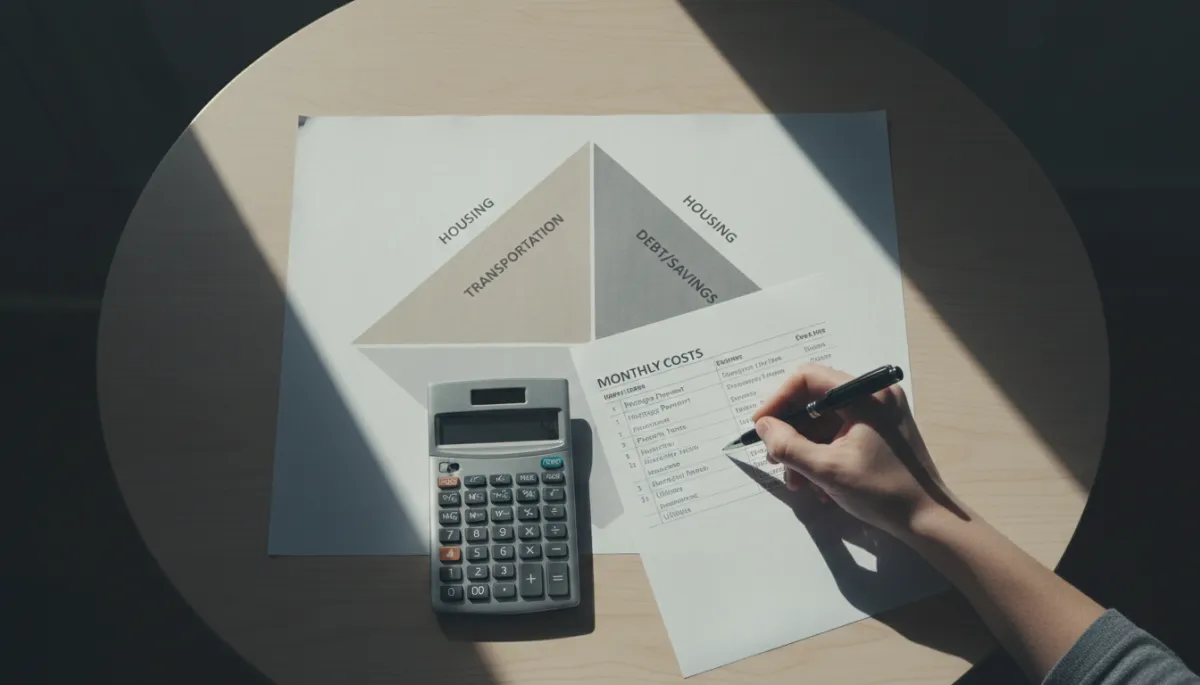
Visualizing the three budget sides helps first-time buyers avoid overstretching on monthly payments.
Side 3: Safety & Lifestyle Budget (Protecting Your Future Self)
Owning a home should not erase your ability to save, travel, or handle surprises. The third side of your triangle protects your long‑term stability and day‑to‑day happiness. Plan for:
Emergency fund: ideally 3–6 months of living expenses, including your new housing costs.
Annual repairs and upgrades: a common rule of thumb is 1–3% of the home’s value each year.
Lifestyle spending: dining out, hobbies, travel, and everything that makes your life feel like yours.
⚠️ Warning: If homeownership eliminates your ability to save or forces you to rely on credit cards for repairs, your triangle is out of balance.
Putting It All Together: A Clear Path to Your First Home
Moving from renter to owner is not about chasing the highest price a lender will approve. It is about building a balanced triangle: enough cash to close, a monthly payment you can live with, and a safety net that protects your future. When all three sides support each other, you are not just buying a house; you are stepping into sustainable homeownership with clarity and confidence.
