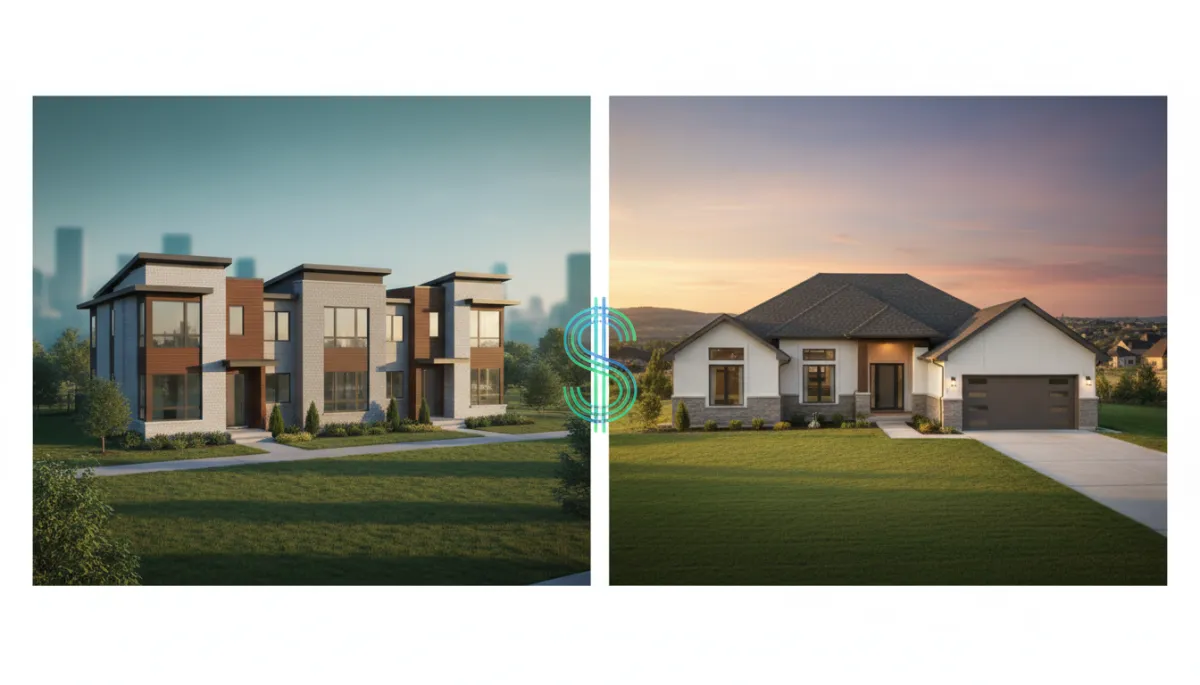
Townhomes vs. Single-Family: 2026 Buying Guide
Real Estate, Personal Finance, Home Buying
Townhomes vs. Single-Family in 2026: Which One Actually Makes Sense for Your Wallet?
With prices still high, rates volatile, and inventory only slowly improving, 2026 buyers are asking a very practical question: should I stretch for a single-family house, or play it smart with a townhome? Here’s how each option really stacks up for your wallet this year, based on the latest national data.
The 2026 Market Backdrop: Why This Choice Matters More Than Ever
The 2026 housing market is no longer the frenzy of the early 2020s, but it’s still far from “cheap.” Construction is growing only modestly, and affordability remains a real hurdle. National Association of Home Builders data shows single-family construction starts inching up around 1–2%, while townhome (single-family attached) building has actually pulled back in early 2026, though it still holds a historically high market share of roughly 17–18% of single-family construction.
On the resale side, Realtor.com reports that new listings and contract signings hit their highest levels since 2022 this spring, which is giving buyers a bit more choice—but not necessarily big discounts. That’s why deciding between a townhome and a single-family home in 2026 is less about emotion and more about how each option affects your monthly cash flow, long-term equity, and flexibility.
Townhomes in 2026: The Budget-Conscious Path to Ownership
Nationally, townhomes remain the more affordable ticket into homeownership. As of June 2026, the median townhome price is about $365,000, compared with roughly $414,990 for single-family homes—a gap of nearly $50,000 according to Homes.com data. That difference can translate into a lower down payment, a smaller mortgage, and a monthly payment that actually fits your budget instead of stretching it to the limit.
Lower upfront costs: Because townhomes are typically smaller and sit on less land, you often pay less for the same number of bedrooms compared with a detached house in the same area.
Potentially lower utilities: Shared walls can improve energy efficiency, which may help cut heating and cooling bills over time.
Maintenance baked into the budget: Many townhome communities have homeowners’ associations (HOAs) that handle exterior maintenance, roofs, landscaping, and sometimes amenities like pools or gyms. You’ll pay a monthly fee, but you’re trading surprise repair bills for a more predictable line item.
Price growth for townhomes has been slower than for detached homes—up about 1.4% year-over-year nationally, versus 3.7% for single-family. In some markets, like Raleigh, townhome and condo prices have even dipped while single-family prices ticked higher. For buyers, that can mean more room to negotiate and less risk of bidding wars on attached homes, at least in the short term.
💡 Pro Tip: When comparing townhomes, don’t just look at the purchase price—compare total monthly cost, including HOA dues, insurance, and utilities. A lower price can be offset by a high fee if you’re not careful.
Single-Family Homes in 2026: Higher Cost, Higher Upside?
Single-family detached homes are still the classic American dream—and they’re priced like it. The national median single-family price sits around $414,990 in June 2026, with existing single-family homes at about $429,300 per NAR. Despite higher upfront costs, single-family homes often deliver stronger appreciation over time because you own more land, enjoy more privacy, and typically get more square footage and yard space.
Stronger appreciation potential: Historically, detached homes tend to outpace townhomes in price growth, and 2026 data so far supports that trend with a 3.7% annual gain nationally.
More control and flexibility: Without shared walls or strict exterior rules (outside of any local covenants), you can add a deck, finish a basement, or even build an accessory dwelling unit where zoning allows—all of which can boost value and potential rental income.
No mandatory HOA fees in many areas: You’ll shoulder all maintenance costs, but you also avoid monthly association dues, special assessments, and some of the restrictions that come with attached living.
One interesting 2026 twist: NAHB’s Eye on Housing notes that new single-family homes sold in Q1 2026 had a median price of about $403,200, slightly below the median for existing single-family homes (~$404,600). That’s a rare moment when new construction doesn’t command a clear premium, which could make certain new single-family communities surprisingly competitive with resale options—and, in some markets, not as far above townhomes as you might expect.
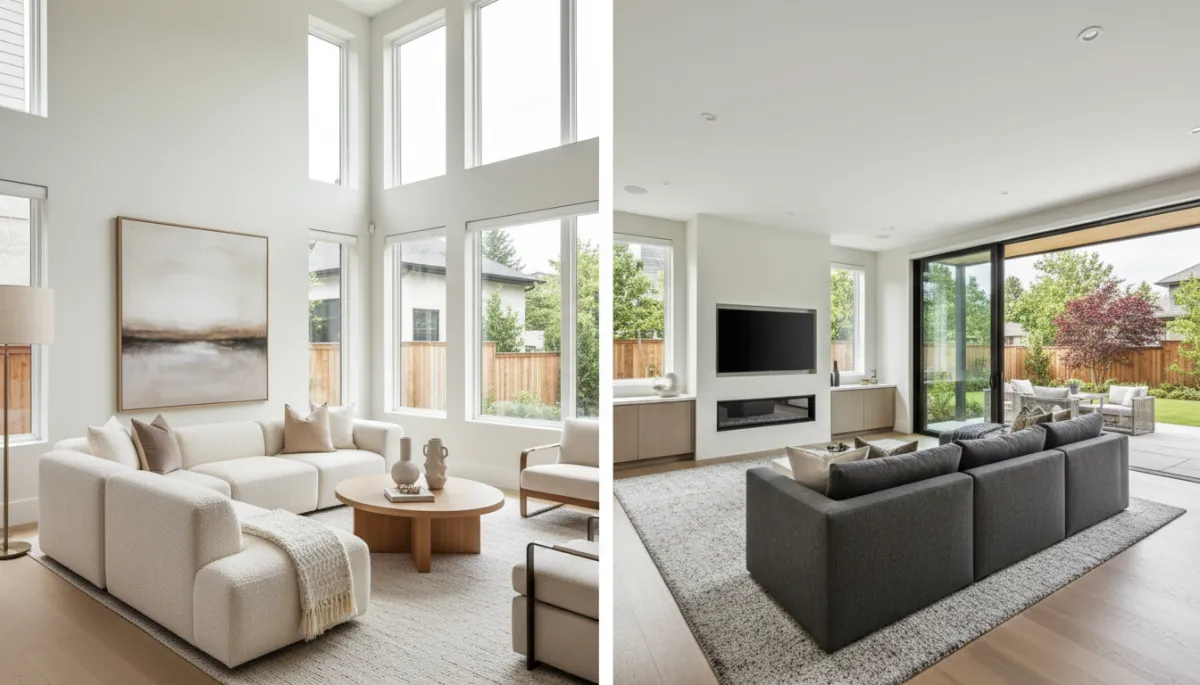
In 2026, single-family homes cost more but often deliver more space and resale upside.
Townhome vs. Single-Family: Which One Actually Makes Sense for Your Wallet in 2026?
The honest answer is that neither option is “better” for everyone. The right choice in 2026 depends on how you balance monthly affordability against long-term financial upside and lifestyle needs. Use these rules of thumb as a starting point:
A Townhome Makes Financial Sense If:
You’re a first-time buyer struggling with down payment and monthly payment size, and the roughly $50,000 lower median price meaningfully improves your budget cushion.
You value predictability—HOA-covered exterior maintenance and smaller systems can reduce surprise repair costs, even if you’re paying a monthly fee.
You expect to stay 3–7 years and mainly want to stop renting, start building equity, and keep flexibility to move as your life changes.
A Single-Family Home Makes Financial Sense If:
You can comfortably afford the higher purchase price and ongoing maintenance without relying on best-case scenarios for income or interest rates.
You plan to stay put for 7–10+ years, giving appreciation time to work in your favor and justifying the higher upfront cost.
You want the option to add value over time through renovations, additions, or even future rental space, which is usually easier with a detached home.
📌 Key Takeaway: In 2026, townhomes generally win on short-term affordability and predictability. Single-family homes tend to win on long-term equity growth and flexibility—but only if you can buy without stretching your budget to the breaking point.
How to Run the Numbers for Your Situation
Compare total monthly costs, not just prices. For each property type, add principal and interest, property taxes, insurance, HOA dues (if any), and a maintenance reserve (often 1–2% of the home’s value annually for single-family, less for townhomes with strong HOAs).
Stress-test your budget. Ask whether you could still comfortably afford the payment if rates tick up before you lock in, or if your income dips slightly. If a single-family home only works in a perfect scenario, the safer financial choice may be a townhome.
Factor in your time horizon. The longer you plan to stay, the more a higher-priced single-family home can pay off through appreciation and customization. Shorter horizons favor the lower-risk, lower-cost townhome route.
The Bottom Line for 2026 Buyers
In the 2026 market, townhomes are often the smarter move for buyers who prioritize affordability, predictable costs, and a manageable entry into homeownership. Single-family homes can still be the better long-term wealth builder, but only if you buy within your means and plan to stay long enough for appreciation and improvements to compound in your favor.
Whichever path you choose, your wallet will thank you for treating this as a numbers-driven decision, grounded in current 2026 data—not just in curb appeal or wishful thinking.
