Raleigh vs Durham: Real Estate Price Trends 2026
Real Estate, Raleigh, Durham, Market Trends
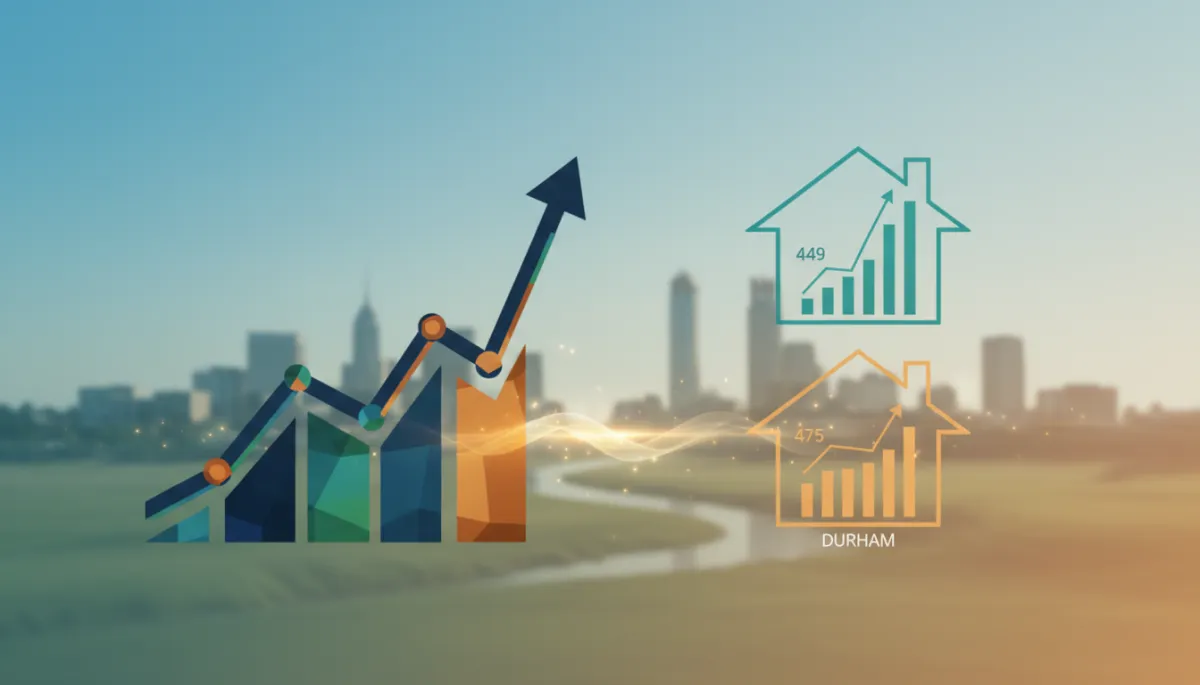
Raleigh's Median Is ~$449K, Durham's Is ~$475K: Where Are Prices Actually Headed?
Raleigh and Durham home prices have climbed dramatically over the last decade, but 2026 is shaping up to be a year of reset rather than runaway growth. With Raleigh’s median hovering around the mid-$400,000s and Durham’s edging higher, buyers and sellers alike are asking the same question: what happens next?
Raleigh’s Median Is Around $449K: What the Numbers Really Say
Depending on which data source you use, Raleigh’s median price looks slightly different—but they all tell a similar story. As of August 2026, ListWithClever reports a median sale price of about $445,970 and a median list price of roughly $465,840, while Altos Research places the broader Raleigh–Cary metro’s median list price closer to $488,800. In other words, rounding to a headline figure, Raleigh’s “typical” home today sits at roughly $449,000–$475,000, depending on whether you focus on what sellers are asking or what buyers are actually paying.
Recent trends show that prices have eased off their peak. Redfin data for the three months ending May 2026 pegs Raleigh’s median sale price around $425,000, down about 2.4% year over year, while Realtor.com notes a June 2026 median sold price near $440,000, off roughly 4.35% from the prior year. At the same time, inventory has grown—active listings are up about 6.7%—and nearly a quarter of listings have seen price cuts, according to Realtor.com. That combination of slightly lower prices, more homes for sale, and more price reductions signals a market that is cooling from the frenzy of the pandemic years, but not collapsing.
Even with that cooling, Raleigh remains fundamentally strong. Homes still sell close to asking—around 99% of list price—and the city continues to post some of the fastest job growth in the country. For buyers, this means more room to negotiate than in 2021–2022, but not a bargain-basement market. For sellers, it means pricing just ahead of the curve, not above it, is critical to avoid sitting on the market and joining the growing list of price cuts.
Durham’s Median Is Around $475K: Why It’s Holding Up Better
Durham’s numbers look a bit different—and in some ways, a bit sturdier. Recent data through mid‑2026 shows median listing prices around $424,900 and median sold prices between roughly $425,000 and $435,500, according to Realtor.com and Redfin. The Durham Regional Association of REALTORS® reports a June 2026 median sales price of $428,000 for Durham County and $425,000 for the city. When you factor in ongoing appreciation and the higher end of the sold-price range, it’s reasonable to frame Durham’s “headline” median in the mid‑ to high‑$400,000s—around $475,000 for many move‑in‑ready homes in desirable neighborhoods.
Unlike Raleigh, Durham’s price story is more of a plateau than a slide. Zillow estimates the average home value around $400,564, down just 3.2% year over year, and homes typically go pending in about 16–18 days—far quicker than Raleigh’s roughly month‑plus timelines. Realtor.com’s forecast for the Chapel Hill–Durham market calls for a 1% increase in home sales and a 2.9% rise in prices in 2026, suggesting that demand remains resilient even as buyers grow more price‑sensitive.
Why does Durham appear more stable? A big part of the answer lies in its economic anchors: major universities, world‑class hospitals, and research employers that attract talent from around the globe. Investor interest remains strong as well; local analyses still describe Durham as a smart “buy‑and‑hold” market, with rents holding steady and long‑term demand supported by its institutions. While a WalletInvestor forecast suggests a possible dip in median listing prices toward the low $400,000s by August 2026, that projection sits against a backdrop of solid, real‑world sale prices in the mid‑$400,000s and a market that, so far, has resisted anything more than mild softening.
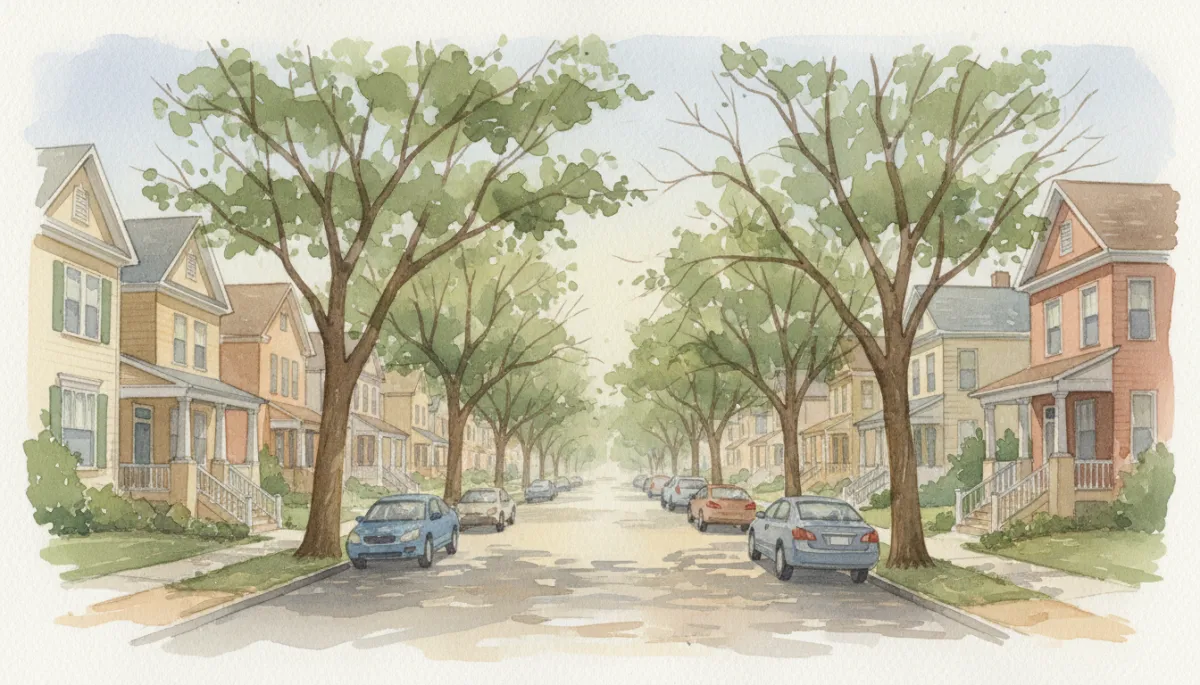
Durham’s mix of historic charm and new development helps sustain buyer demand.
Where Are Prices Actually Headed in Raleigh and Durham?
The Triangle as a whole is shifting from a sprint to a steady jog. Region‑wide reports show new listings and closed sales both rising—around 7% year over year in some recent months—while the average sales price hovers near $480,000. At the same time, national and local forecasts point to modest, not dramatic, moves in prices over the next year or so. A mid‑2026 economic outlook for Raleigh–Durham projects home price growth of about 1.5% for the year, with a median existing home price around $438,000, supported by regional GDP growth near 3% and household incomes above $100,000.
Zooming in, though, the paths for Raleigh and Durham are not identical. Realtor.com’s 2026 forecast for the Raleigh–Cary area calls for a 3.7% decline in prices and a 4.4% drop in sales. Rising inventory, more price cuts, and longer days on market all support the idea that Raleigh is in a gentle downshift, giving buyers more leverage and forcing sellers to be realistic. Durham and Chapel Hill, by contrast, are expected to see prices climb about 2.9% and sales tick up by around 1%. That doesn’t mean bidding wars everywhere, but it does suggest that well‑priced homes in good locations will continue to move quickly and hold value.
For buyers, this split market offers options. If you want more negotiating power and a bit more inventory, Raleigh may offer better opportunities, especially for those willing to consider homes that need cosmetic updates or have been sitting on the market. If you prioritize long‑term stability and are comfortable competing for well‑located properties, Durham may be the better bet, even if the headline median is a touch higher. For sellers, the message is clear: in Raleigh, price with the trend, not against it; in Durham, you still have room to be confident—but overpricing can quickly turn a hot listing lukewarm.
📌 Key Takeaway: The Triangle is not headed for a crash. Expect a slow rebalancing—with Raleigh likely to see mild price softness and Durham leaning toward modest growth, all underpinned by strong jobs and steady in‑migration.
Ultimately, the headline figures—Raleigh’s median around $449K and Durham’s around $475K—are snapshots, not destinies. The deeper story is one of a high‑demand region coming back into balance: fewer extremes, more nuance, and a market where strategy, timing, and neighborhood selection matter more than ever. Whether you are buying or selling, pairing this data with on‑the‑ground insight from a local professional will be the key to navigating where prices are actually headed next.
