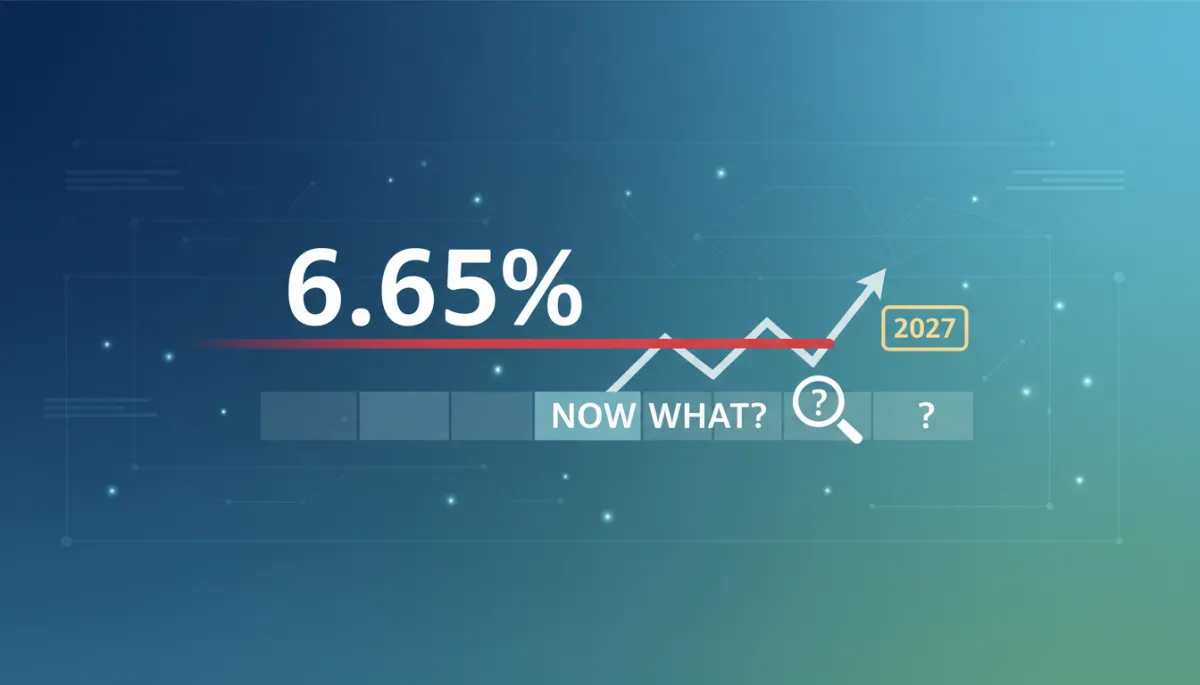
Mortgage Rates Stuck at 6.65% Until 2027: What to Do
Money, Interest Rates, Personal Finance
Rates Are Stuck at 6.65% and Most Experts Say They're Not Dropping Until 2027: Now What?
With 30‑year mortgage rates hovering around 6.65%–6.7% and forecasters warning that meaningful relief may not arrive until 2027, many buyers, sellers, and homeowners feel frozen. Here’s what that “new normal” actually means—and smart moves you can make right now instead of waiting on the sidelines.
1. What It Means When Rates Are Stuck at 6.65%
Today’s average 30‑year fixed mortgage rate sits around 6.7%, according to recent estimates, effectively “stuck” near 6.65% after months of small ups and downs. While the Federal Reserve’s own policy rate is lower—its target range is 3.50%–3.75% as of June 2026 (Federal Reserve)—mortgage rates reflect more than Fed decisions. They also bake in inflation expectations, bond market demand, and overall economic risk.
In practical terms, a 6.65% mortgage rate:
Raises monthly payments compared with the 3%–4% era, shrinking what buyers can afford.
Locks many existing owners into their ultra‑low loans, reducing housing supply and keeping prices from falling as much as buyers hope.
Forces borrowers on adjustable‑rate debt or HELOCs to budget for higher interest costs.
💡 Perspective: Historically, rates in the 6% range are not extreme. What feels painful now is the sudden jump from the unusually low pandemic years.
2. Why Most Experts Don’t Expect Big Drops Until 2027
Forecasts for the next few years tell a consistent story: borrowing costs are likely to stay elevated. The Federal Reserve’s June 2026 projections put the federal funds rate around 3.6% at the end of 2027, with a central range of 3.1%–3.9% (Fed SEP). The Congressional Budget Office is only slightly more optimistic, seeing it near 3.4% by then (CBO).
Longer‑term borrowing costs, which influence mortgage rates, also aren’t expected to plunge. The CBO and the Philadelphia Fed’s Livingston Survey both project the 10‑year Treasury yield around 4.2%–4.3% and the prime rate near 6.25% in 2027 (Livingston Survey, CBO). That’s consistent with mortgage rates staying in the mid‑5% to 6% range rather than snapping back to 3%.
Add in the Fed’s own cautious tone—several officials have signaled a willingness to raise rates again if inflation stalls out—and it becomes clear why many analysts say meaningful mortgage relief may not arrive until sometime in 2027, and even then, not to the ultra‑cheap levels we saw in 2020–2021.
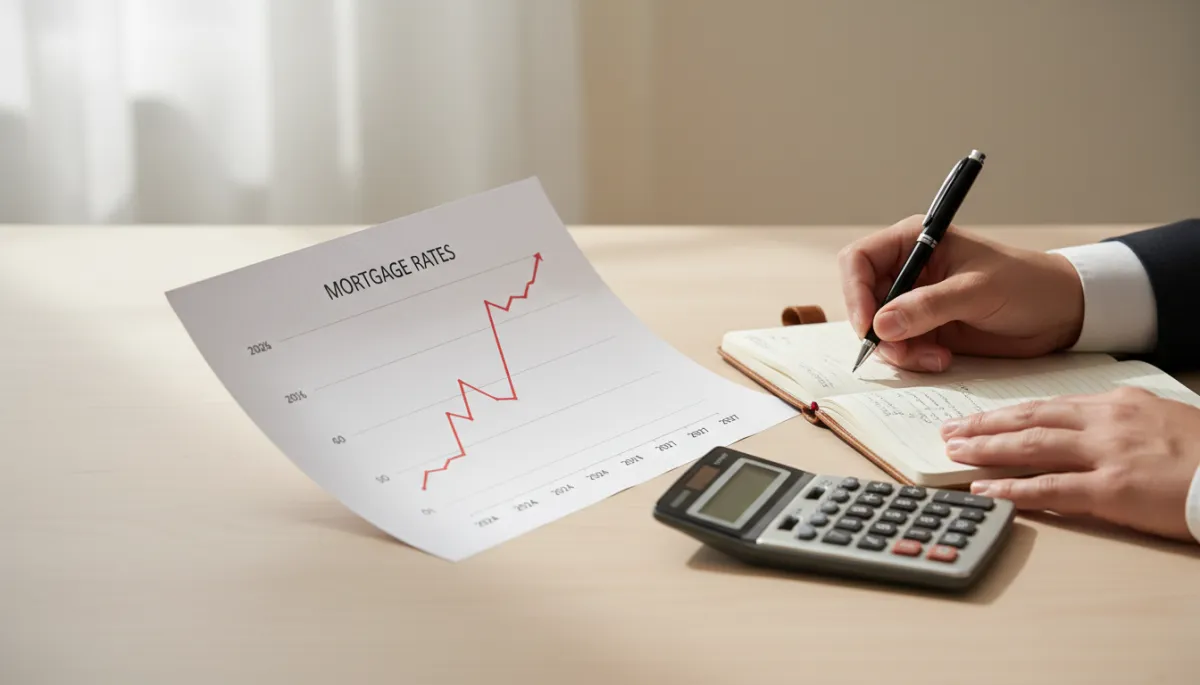
Forecasts suggest borrowing costs stay above pre‑pandemic lows well into 2027.
3. Now What? Smart Moves When Rates Stay High
If You’re Thinking About Buying a Home
Waiting “for rates to drop” can feel safe, but if that drop is two years away—and home prices or rents rise in the meantime—you may not come out ahead. Consider:
Buying for the payment, not the rate. Decide what monthly payment fits your budget and work backward to a price that makes sense at 6.65%.
Expanding your search. Look at slightly smaller homes, different neighborhoods, or townhomes and condos to keep payments manageable.
Planning to refinance later. If your finances are strong and you expect to stay put, you can buy now and refinance if rates ease in a few years.
📌 Key takeaway: A “forever rate” is rare. Focus on buying a home you can comfortably afford today, with a plan to improve your loan terms if and when the market shifts.
If You Already Own a Home
Homeowners with 3% mortgages are in an enviable spot. For you, the priority is often protecting that low rate:
Think carefully before selling and taking on a new 6.65% loan unless the move is truly necessary.
Avoid tapping home equity for non‑essentials; higher HELOC or cash‑out rates can strain your budget.
If you do have an adjustable‑rate mortgage, talk to your lender or a housing counselor about options to lock in a fixed rate before potential future hikes.
If You’re Managing Other Debt and Savings
Higher rates are painful for borrowers—but helpful for savers. Use both sides of that reality:
Attack high‑interest debt first. Credit cards and personal loans often carry double‑digit rates. Paying them down is a near‑risk‑free “return.”
Shop for better yields. With the Fed funds rate around 3.6% and banks competing for deposits, high‑yield savings and CDs can finally pay you something meaningful.
Build a rate‑resilient budget. Assume today’s costs stick around. If rates fall sooner than expected, that’s upside—not a requirement for your plan to work.
The Bottom Line: Plan for 6.65%, Don’t Pin Your Hopes on 3%
Most experts agree: while rates may ease gradually, the ultra‑low environment of the early 2020s is unlikely to return anytime soon. Instead of waiting for a perfect rate that may never come, build a financial strategy that works at 6.65%—and treats any future drop as a bonus, not a lifeline.
Talk with a trusted lender or financial planner, run honest numbers, and make decisions based on your life, not the headlines. You can’t control the Fed—but you can control how prepared you are for the rate reality we’re living in now.
