
More Than a Transaction: Navigating the Emotional Roller-Coaster of Life Transitions
Here's something most agents won't tell you straight: The hardest part of buying or selling a home has nothing to do with interest rates or inspections. It's the fact that you're making one of life's biggest decisions while simultaneously dealing with massive personal change: and that combination can leave even the most level-headed people second-guessing everything.
I've worked with hundreds of buyers and sellers across the Triangle and Triad, and I can tell you with absolute certainty that the clients who struggle most aren't the ones with complicated finances or tough markets. They're the ones who haven't acknowledged the emotional weight of what they're actually going through.
Whether you're buying your first home at 28, downsizing after the kids leave, or relocating for a job that changes everything: you're not just moving houses. You're closing chapters, starting new ones, and redefining what "home" even means to you. Don't fall into the trap of treating this like a purely financial transaction. That mindset sets you up for regret, indecision, and unnecessary stress.
Why Life Transitions Make Real Estate Decisions 10 Times Harder
When you're in the middle of a major life change, your brain is already working overtime. Research shows that transitions: even positive ones: disrupt your routines, relationships, and sense of identity, triggering stress responses that cloud decision-making. Add house hunting or selling to that mix, and you've got a recipe for analysis paralysis.
Here's what I see happen repeatedly in the NC markets:
First-time buyers get overwhelmed by the sheer number of choices in growing areas like Cary or Durham. They're already nervous about committing to homeownership, and suddenly they're comparing 30 properties while trying to envision their entire future.
Empty nesters in established neighborhoods like North Raleigh or Greensboro struggle to let go of the home where they raised their family. The practical decision to downsize gets tangled up with grief over a life stage ending.
Job relocators moving to the Research Triangle for opportunities at companies like Duke Health or Fidelity Investments feel rushed to make decisions without knowing their new city. They're anxious about uprooting their family and worry about choosing the wrong neighborhood.
Divorced or newly single individuals face the dual challenge of starting over financially while emotionally processing the end of a relationship. Every house viewing becomes a reminder of what they've lost and what they're trying to rebuild.
Bottom line is this: You can't separate the emotional from the practical when life transitions are involved. Trying to push through "logically" without acknowledging what you're feeling is like driving with the parking brake on: you'll get there, but it's going to be harder than it needs to be.

The Three Emotional Traps That Derail Life-Transition Purchases
1. The "Compensating for Loss" Trap
When you're going through a difficult transition: divorce, death of a spouse, empty nest: there's a temptation to over-correct with your housing choice. I've seen people downsize too aggressively (choosing a condo that feels isolating) or upsize unnecessarily (thinking a bigger space will fill an emotional void).
The warning signs: You're focusing intensely on what the new home will give you emotionally rather than what you actually need functionally. You describe properties with words like "fresh start" or "completely different" instead of discussing practical requirements.
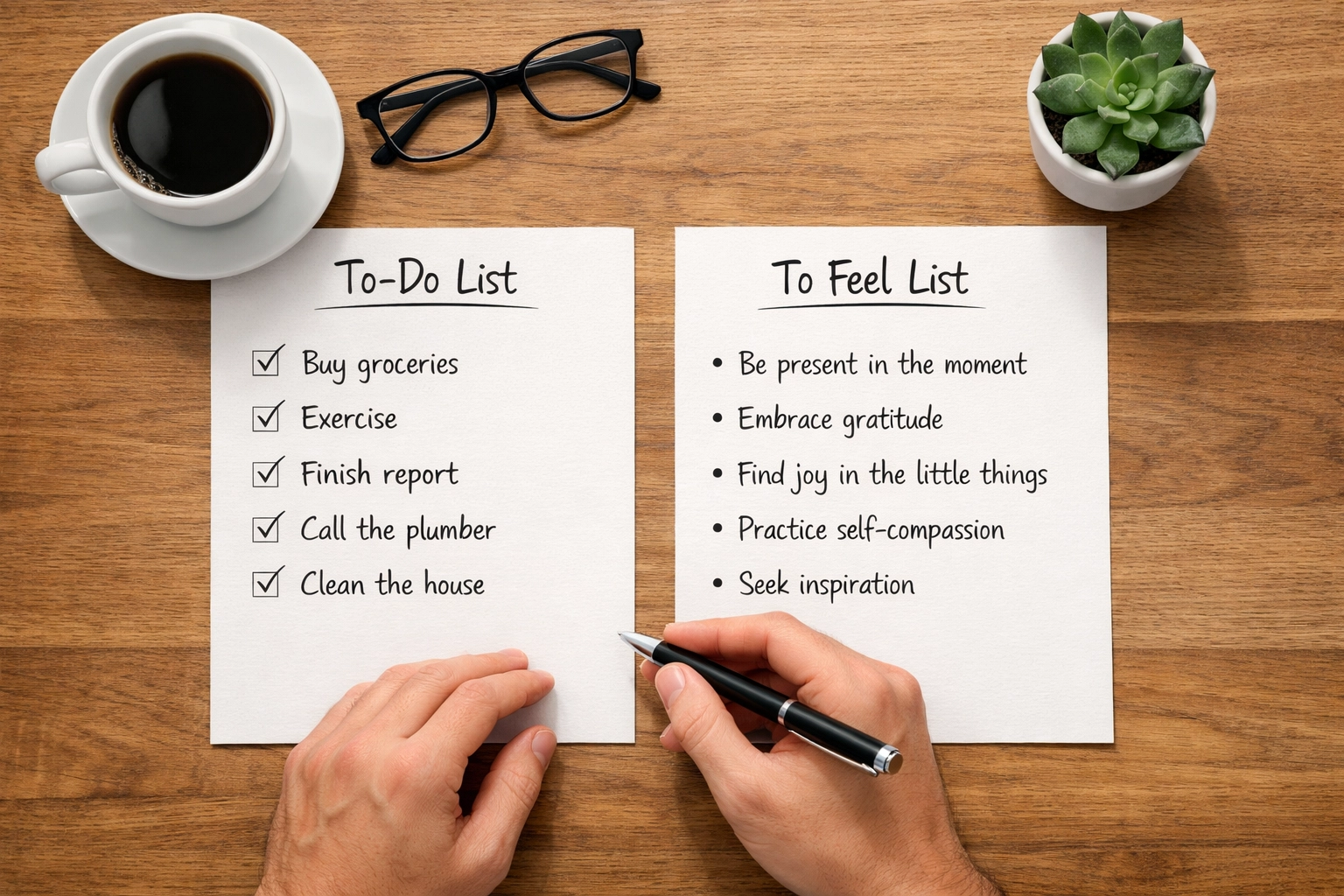
The fix: Before you start touring properties, make two separate lists. The first list is functional: square footage, location relative to work/family, maintenance requirements, budget constraints. The second list is emotional: the feeling you want in your next chapter. Keep them separate. Use the functional list to narrow choices, then apply the emotional criteria as the tiebreaker, not the primary filter.
2. The "Paralysis by Perfect" Trap
Life transitions often come with heightened anxiety about making the "wrong" choice. When you're already feeling uncertain about other aspects of your life, the pressure to get the housing decision absolutely perfect becomes overwhelming. I've watched buyers tour 40+ homes in Wake County and still feel no closer to deciding.
The warning signs: You keep finding one "fatal flaw" in every property. You're waiting for a home that checks every single box. You find yourself saying "I'll know it when I see it" but you never actually see it.
The fix: Understand that no home is perfect, especially in competitive markets like Raleigh-Durham. You're not looking for perfection: you're looking for "right enough for this season of life." Rank your must-haves (3-5 items maximum) and your nice-to-haves. Any property that hits all your must-haves and 60% of nice-to-haves deserves serious consideration. Give yourself permission to make a good decision instead of demanding a perfect one.
3. The "Rushing to Resolve Uncertainty" Trap
On the flip side, some people respond to life transitions by trying to fast-forward through the discomfort. They make impulsive decisions just to feel like they have control over something in their life, even if that means compromising on critical factors.
The warning signs: You're pushing to close faster than necessary. You're dismissing concerns raised by your agent or inspector because you "just want it done." You're describing the process as something to "get over with" rather than an important life decision.
The fix: Build in structured decision-making points. Don't tour properties until you've spent a week clearly defining your criteria. Schedule a 48-hour waiting period between seeing a home and making an offer. Talk through your decision with someone who's not emotionally involved: a friend, family member, or therapist who can ask clarifying questions without judgment.
A Strategic Approach: Planning Around What Actually Matters
Here's the framework I walk my clients through when they're navigating life transitions:
1. Separate Your Timeline from Your Emotions
Just because you feel urgent doesn't mean you need to move urgently. Conversely, feeling hesitant doesn't mean you should delay indefinitely.
If you're a first-time buyer: Give yourself 6-8 weeks minimum to tour properties and understand the market. In hot Triangle neighborhoods, buyers often feel rushed: don't let that pressure override your need to learn the landscape first.
If you're downsizing: Start the conversation 6-12 months before you actually need to move. This gives you time to emotionally adjust to the idea while practically sorting through decades of belongings. I've seen empty nesters in established Triad communities benefit enormously from this extended timeline.
If you're relocating: If possible, rent for 6 months in your new city before buying. I know that feels like "wasted money," but for out-of-state moves to North Carolina, it's absolutely worth it. You'll learn which neighborhoods actually fit your lifestyle versus what looks good on Zillow.
2. Define "Home" for This Season of Your Life
Don't fall into the trap of comparing your next home to your previous one or to some idealized version of what home "should" be.
Ask yourself these specific questions:
What does a typical Tuesday look like for you right now? (Not weekends, not special occasions: regular days.) Does your next space support that reality?
What relationships matter most in this season? Do you need space for kids visiting, proximity to aging parents, or a neighborhood with social opportunities?
What tasks do you actually want to handle? Be honest about yard maintenance, home repairs, and snow removal. In your current life stage, is a 3,500-square-foot house in Apex with a half-acre yard going to be a joy or a burden?
What are you walking toward, not just away from? This is critical. Define what you want in your next chapter, not just what you're leaving behind.
3. Ground Your Decision in Local Market Realities
Here's where Triangle and Triad expertise really matters. The emotional aspects of your transition don't change, but the practical implications absolutely vary by market.
For first-time buyers in the Triangle: You're looking at median home prices around $425,000-475,000 in Raleigh, with competitive markets in Cary, Apex, and Durham. Don't bite off more than you can chew financially just because you're excited about homeownership. A $1,800/month mortgage might seem manageable until you add property taxes, insurance, and maintenance for a 20-year-old home.
For downsizers in the Triad: Greensboro and Winston-Salem offer more affordable options for rightsizing: think $250,000-350,000 for quality condos or smaller homes in established neighborhoods. The emotional challenge here is often lifestyle adjustment (condo living, HOA rules) rather than affordability.
For relocators: The Research Triangle's growth means neighborhoods change quickly. That "up-and-coming" area of Durham might be perfect, or it might still be 5 years away from the walkability and amenities you're envisioning. Work with an agent who knows the difference and can paint an honest picture of what life looks like in each area right now.

Warning Signs You Need to Pause the Process
Sometimes the most strategic move is recognizing you're not ready yet. Seek professional support: whether that's a therapist, financial advisor, or trusted agent: if you're experiencing:
Constant anxiety or racing thoughts about the decision that disrupts your sleep
Wildly swinging opinions (loving a property one day, hating it the next)
Conflict with your spouse or partner about housing choices that really seems to be about something else
Feeling hopeless or overwhelmed to the point of wanting to give up entirely
Making decisions based primarily on what others think you should do
There's no shame in saying "I need another month to get my head right before we move forward." In fact, that self-awareness typically leads to better outcomes than pushing through when you're not in a good headspace.
Your Next Steps: Making This Work in Real Life
Here's your action plan:
This week:
Journal or talk through what "home" means to you in this specific life transition (15 minutes, seriously, do this)
Create your must-have list (3-5 items only) and nice-to-have list (everything else)
Identify one person in your life who can serve as a sounding board without projecting their own agenda onto your decision
Before you tour properties:
Get pre-approved so you understand your actual budget constraints
Drive neighborhoods at different times of day (morning commute, evening, weekend) to get a realistic feel
Meet with a local agent who has experience with your specific life transition: not just anyone, but someone who understands the emotional complexity involved
During the search process:
Set a maximum number of properties to tour before making a decision (I usually suggest 12-15 for buyers)
Build in 48-hour reflection periods before making offers
Keep a simple spreadsheet tracking how each property meets your must-haves and nice-to-haves: sometimes seeing it visually breaks the logjam

The truth is that buying or selling during a life transition is inherently harder than doing it during stable times. But acknowledging that reality: instead of pretending you can logic your way through it: actually gives you more control, not less.
You're not being too emotional or too indecisive. You're navigating a genuinely complex situation that requires both practical wisdom and emotional intelligence. The clients I see succeed aren't the ones who shut down their feelings: they're the ones who acknowledge what they're going through, plan around it strategically, and surround themselves with professionals who get it.
If you're in the Triangle or Triad and dealing with a major life transition, let's talk through your specific situation. I've been through this process with hundreds of clients, and I can help you figure out what "thoughtful planning" actually looks like for your circumstances. Reach out to our team: because the right next step isn't always obvious when you're in the middle of change, and that's exactly why having an experienced guide matters.
