Fall 2026 Triangle Forecast: Rates & Weather Impact
Weather, Economy, Interest Rates
Fall 2026 Triangle Forecast: What Happens When Rates Stay Put Through 2027
As the Triangle heads into Fall 2026, residents and businesses face a rare pairing: a warmer, wetter season shaped by a powerful El Niño, and the possibility that interest rates could hold steady well into 2027. Together, these forces may quietly reshape everything from weekend plans to housing decisions and long‑term investments.
The Fall 2026 Triangle Weather Picture
The season is off to a deceptively calm start. Late September in the Triangle is running pleasantly warm and mostly dry by day, with highs in the 70s to low 80s °F and crisp mornings near 50 °F. As we move into early October, forecasts point to a brief spell of higher humidity, thunderstorms, and more unsettled conditions before skies gradually clear and temperatures settle back into the 70s. This transition marks the opening act of a much bigger story unfolding overhead.
The real driver of Fall 2026 is a very strong El Niño, expected to be among the most powerful on record. According to NOAA’s Climate Prediction Center, this pattern is strongly linked to above‑normal temperatures and above‑normal precipitation across much of the Southeast, including the Triangle, through October, November, and December 2026. Multi‑model outlooks and long‑term warming trends both tilt the odds toward a warmer‑than‑usual end to the year, with wetter conditions as Pacific moisture is steered into the region via the subtropical jet stream.
Practically, that means residents should plan for more mild, almost spring‑like days punctuated by soaking rains and the occasional heavy downpour. Local National Weather Service guidance suggests that this pattern could help ease existing drought across parts of North Carolina, even as it raises the risk of localized flooding when frontal systems tap into that deep subtropical moisture. At the same time, the strong El Niño is likely to suppress overall Atlantic hurricane activity, but the Carolinas remain vulnerable if any stray system finds the right track toward the coast.
Fall Color, Outdoor Plans, and Everyday Life
For many in the Triangle, fall is as much about color as it is about temperature. This year, though, the foliage story may be more muted. Warmer‑than‑average conditions, combined with earlier dry spells, can delay the onset of color, shorten the peak, and lead to patchy displays with early leaf drop. Local forestry experts already anticipate that traditional “peak weekend” trips may require more flexibility, with color likely arriving later and varying more from one elevation or microclimate to another across central and western North Carolina.
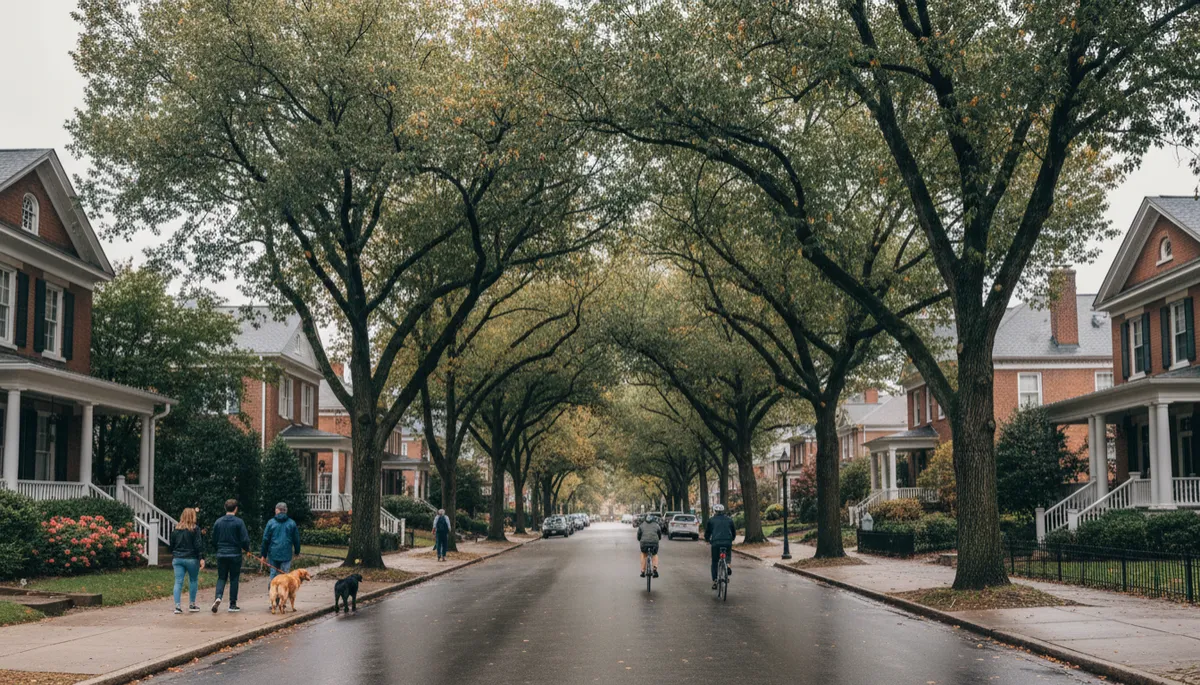
A warmer, wetter fall may delay peak color and bring more rain‑soaked weekends.
Day to day, the message is one of flexibility. Outdoor events, youth sports, and fall festivals may enjoy longer stretches of comfortable temperatures, but planners should build rain dates and indoor backups into their calendars. Commuters and travelers can expect more wet‑road days than usual, especially from mid‑October onward, even if truly cold snaps remain rare until closer to winter. Layering, waterproof footwear, and a reliable umbrella will likely see more use than heavy coats in the first half of the season.
💡 Pro Tip: If you are planning foliage trips or outdoor celebrations, keep plans flexible by watching weekly updates from the National Weather Service and local outlets, rather than locking in dates far in advance.
What Happens When Interest Rates Stay Put Through 2027?
While the skies above the Triangle are being shaped by El Niño, the financial landscape is being shaped by something just as powerful: central bank policy. Many economists expect that, after an extended period of rate hikes to tame inflation, major central banks like the Federal Reserve could shift into a long “hold” phase, keeping benchmark interest rates relatively steady through 2027. Official projections from institutions such as the Fed, OECD, and World Bank emphasize that the exact path is uncertain, but they broadly suggest a world where inflation eases, growth moderates, and policy makers resist the urge to cut aggressively unless conditions worsen.
For households and businesses across the Triangle, a scenario where rates stay put has several clear implications. Mortgage costs may remain above the ultra‑low levels seen earlier in the decade, but they could also become more predictable. That stability can make it easier for buyers and sellers to plan, reducing the fear that a sudden spike will price them out of a home or that a rapid drop will leave them locked into an uncompetitive loan. Renters too may benefit indirectly, as landlords face fewer abrupt changes in financing costs and can budget more confidently for maintenance and improvements.
Savers, meanwhile, stand to gain from a longer stretch of higher‑yield savings accounts and certificates of deposit. After years in which cash earned very little, a steady‑rate environment can reward those who build emergency funds or set aside money for near‑term goals. On the other hand, investors who grew accustomed to easy money and rapid market gains may need to adjust expectations. With borrowing costs no longer falling, businesses must rely more on productivity, innovation, and genuine demand to drive profits, rather than cheap credit alone.
The Triangle at the Crossroads of Weather and Wallet
Put together, the Fall 2026 Triangle forecast and a potential rate hold through 2027 create a unique backdrop. On the ground, residents are navigating a season that feels longer, greener, and wetter, with fewer sharp cold snaps and more soaking rains. Over the next year or two, they are also making financial choices in an environment where borrowing is more expensive than it once was, but also more stable, and where global economic growth is expected to settle near a modest 3% pace according to international outlooks.
For local governments and businesses, this combination invites careful planning. Infrastructure projects must be designed with heavier rainfall and potential flooding in mind, even as financing costs remain elevated. Developers and employers weighing expansions in the Triangle can take comfort in the region’s resilience and long‑term growth prospects, but will need to factor in both climate‑related risks and the reality that cheap money is no longer a given. For families, the message is to stay informed, stay flexible, and build cushions—both in the budget and in the schedule—to handle rainy weekends and economic surprises alike.
How to Prepare for the Season Ahead
As Fall 2026 unfolds, a few simple steps can help Triangle residents make the most of the months ahead. From a weather standpoint, that means checking weekly forecasts, preparing for heavier rain events, and being realistic about foliage timing. From a financial standpoint, it means reviewing loan terms, considering whether to lock in rates while they are stable, and making the most of higher yields on safe, short‑term savings options. In both cases, the goal is the same: to trade guesswork for informed, steady decisions.
The Triangle has long thrived on its blend of research, innovation, and quality of life. A warmer, wetter fall and a world of steady interest rates will test that adaptability, but they also open the door to smarter planning—whether you are organizing a neighborhood block party, weighing a home purchase, or mapping out your next career move. By understanding both the climate outlook and the economic backdrop, you can step into the season with clearer expectations and a plan that is built to last beyond 2027.
