
7 Signs You Have Leverage in a Buyer's Market
Real Estate, Home Buying
The Buyer’s Market Checklist: 7 Signs You Have Leverage Right Now
In a true buyer’s market, you don’t just shop for homes—you negotiate from a position of strength. Use this checklist of seven clear signs to know when the market is finally tilted in your favor and how to use that leverage wisely.
The Buyer’s Market Checklist: Why It Matters
A “buyer’s market” isn’t just a buzzword—it’s a set of conditions that give you more options, more time, and more negotiating power. When several of these signs show up at once, you can often secure a lower price, better terms, or valuable concessions that simply aren’t available in a hot seller’s market.
Think of this checklist as your quick diagnostic tool. The more boxes you can tick, the more confidently you can push for what you want—whether that’s a price reduction, closing cost help, or repairs before you move in.
1. Rising Inventory and More “For Sale” Signs
One of the clearest signs of a buyer’s market is simple: there are more homes available than there are buyers. If you notice more “For Sale” signs in your target neighborhoods and online listings that seem to multiply each week, supply is likely outpacing demand. This gives you choices and reduces the pressure to rush into an offer.
2. Days on Market Are Climbing
When homes sit unsold for weeks—or even months—sellers start to feel the strain. Check the “days on market” (DOM) metric on listings. If the average is trending upward, that’s a strong indicator that buyers are calling the shots. Longer DOM usually means sellers are more open to price negotiations, contingencies, and flexible closing dates.
3. Frequent Price Reductions in Your Area
Scroll through recent listings and look for a pattern of price cuts. Multiple reductions on the same property—or a large number of homes dropping their asking price—signal that sellers overshot the market and are adjusting expectations. In this environment, your initial offer doesn’t need to be anywhere near the list price to be taken seriously.
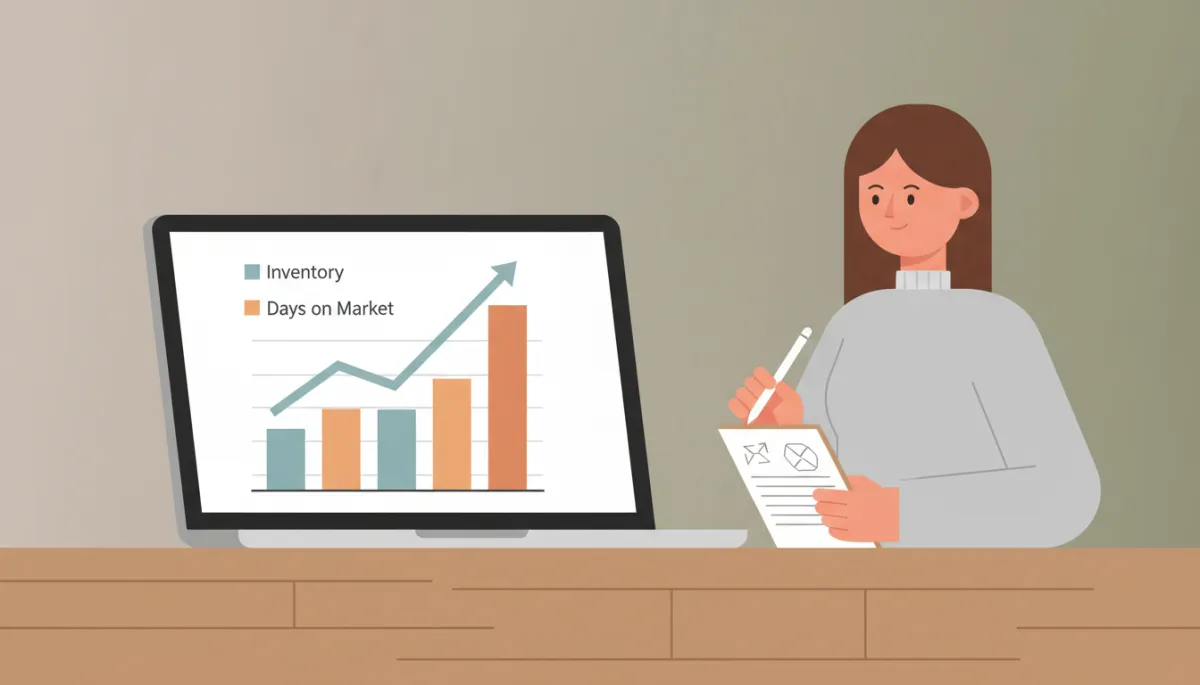
Tracking inventory and price reductions helps buyers spot leverage early.
4. Sellers Offering Incentives and Concessions
In a seller’s market, buyers compete with higher prices and fewer conditions. In a buyer’s market, the script flips: sellers may advertise closing cost credits, rate buydowns, home warranties, or allowances for upgrades. When incentives start appearing in listing descriptions, you know that sellers are working harder to attract attention—and that you can ask for even more during negotiations.
5. Fewer Bidding Wars and Contingency Waivers
If your agent is no longer warning you about “multiple offers” on every property, that’s a positive shift. In a buyer’s market, it’s far less common to see homes selling well above list price or buyers waiving inspection and appraisal contingencies just to compete. This calmer environment allows you to keep protective contingencies in place and still negotiate assertively on price and repairs.
6. List Prices Closer to—or Below—Recent Sales
Compare current asking prices with recent closed sales for similar homes. In a hot market, sellers often price ahead of the last sale, assuming values will keep rising. In a buyer’s market, list prices tend to flatten or even dip below recent comparable sales. That’s a sign that sellers are trying to stay competitive—and that there may still be room to negotiate under asking.
7. Your Agent Confirms: “This Is a Buyer’s Market”
Finally, listen to the professionals who live and breathe your local market. A good agent watches inventory levels, sale-to-list price ratios, and buyer traffic at open houses. If they’re telling you that buyers have the upper hand, trust that insight—and ask how far you can reasonably push on price, contingencies, and timing without risking the deal.
💡 Pro Tip: Don’t just ask, “Is it a buyer’s market?” Ask, “How much leverage do I really have on this specific property?”
Putting Your Leverage to Work
When several of these seven signs line up, you’re not just a hopeful buyer browsing listings—you’re a negotiator with options. Use your leverage to:
Offer below asking price with solid data to back it up
Request closing cost assistance or interest rate buydowns
Keep inspection and appraisal contingencies firmly in place
Negotiate repairs, credits, or upgrades before you sign off
A buyer’s market doesn’t last forever. With this checklist in hand, you’ll recognize the moment when the balance tips in your favor—and be ready to act decisively while the leverage is yours.
