Avoid Common Home Inspection Mistakes in NC
Real Estate, Home Inspection, North Carolina Triangle & Triad
7 Mistakes You’re Making with Home Inspections (And How to Fix Them Before Closing)
A thorough home inspection can make or break your real estate deal, especially in the competitive North Carolina Triangle and Triad markets. Understanding common mistakes—and how to avoid them—can protect your budget, your timeline, and your peace of mind before closing.
Why Home Inspections Matter So Much in North Carolina
In the Triangle and Triad, a professional home inspection is more than a formality. It is your chance to understand how local conditions—such as expansive clay soil, humid summers, and older building stock—affect the long‑term health of a property. North Carolina’s Due Diligence period gives buyers a limited window to investigate and negotiate repairs or credits. Missteps during this time can lead to unexpected costs after closing or, in worst cases, deals falling apart at the last minute.
Whether you are buying or selling in Raleigh, Durham, Chapel Hill, Cary, Greensboro, Winston‑Salem, or High Point, avoiding the following seven mistakes will help you use your inspection—and your Due Diligence money—wisely.
Mistake 1: Treating the Inspection as a Pass/Fail Test
Many buyers assume a home inspection will either “pass” or “fail” the property. In reality, licensed North Carolina inspectors document conditions, safety issues, and recommended repairs—they do not grade the home. Seeing the report as a verdict instead of a tool can lead to overreacting to minor items or, conversely, ignoring serious concerns buried in the details.
Sellers sometimes make the same mistake in reverse, assuming that if a buyer’s inspector did not flag a problem, the home must be flawless. That mindset can backfire if a second inspection—perhaps from a backup buyer—reveals issues that should have been addressed earlier.
How to Fix It Before Closing
View the report as an information roadmap, not a judgment. Ask the inspector to prioritize items: safety issues, active leaks, structural concerns, and systems at or near the end of their life expectancy.
During the Due Diligence period, work with your real estate professional to decide which items are reasonable to request as repairs or credits and which are typical maintenance for homes of that age in North Carolina.
📌 Key Takeaway: A home inspection is a negotiation tool and a maintenance guide, not a simple pass/fail exam.
Mistake 2: Skipping Specialized Inspections (Radon, Termites, Septic, and More)
A general home inspection is comprehensive, but it has limits. In the Triangle and Triad, certain additional evaluations are particularly important, yet buyers frequently skip them to save time or money. Overlooking Radon, Termites, and Septic system inspections can leave you exposed to risks that are expensive—and disruptive—to fix after closing.
Radon: This naturally occurring radioactive gas is present in many parts of North Carolina. It is odorless and invisible, and the only way to know your risk is through testing. Elevated levels may require mitigation systems that can cost thousands of dollars.
Termites and wood‑destroying insects: Our warm, humid climate is ideal for termites. Damage can be hidden inside walls, floor framing, or the crawlspace, and may not be obvious during a quick visual walk‑through.
Septic systems: Many homes outside city centers in the Triangle and Triad rely on septic tanks and drain fields. A standard home inspection typically does not include a full septic evaluation, even though failures can lead to major repair bills and health concerns.
How to Fix It Before Closing
Ask your agent and inspector which specialty inspections are common for your specific property type and location in North Carolina. Build them into your Inspection Checklist from day one of the Due Diligence period.
For homes with well and septic, schedule a separate septic inspection and, if needed, a pump‑out. For older properties or those with additions, confirm that the septic system is sized appropriately for the current number of bedrooms.
Order a Radon test early in the Due Diligence period so you have time to interpret results and negotiate mitigation if necessary.
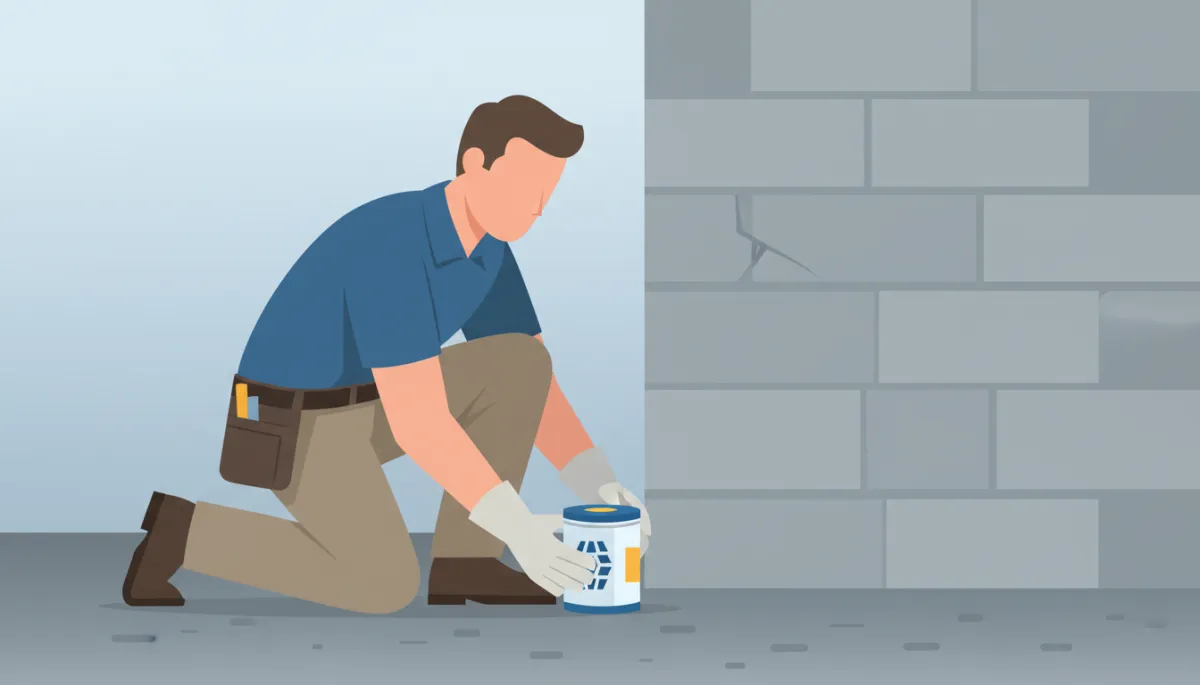
Adding radon, termite, and septic checks to your inspection plan can prevent major post‑closing surprises.
Mistake 3: Ignoring the Crawlspace and Foundation in Clay Soil Areas
In much of central North Carolina, including parts of Wake, Durham, Orange, Guilford, and Forsyth counties, homes are built on expansive clay soil. This soil type swells when wet and shrinks when dry, placing stress on foundations, driveways, and walkways. At the same time, many homes in the Triangle and Triad have vented crawlspace foundations that are vulnerable to moisture, standing water, and wood rot if not properly managed.
Buyers sometimes skim over crawlspace photos in the inspection report or underestimate the significance of minor cracks in foundation walls. Sellers may not realize that a damp or inaccessible crawlspace can raise red flags for buyers and lenders alike, particularly when combined with clay soil movement.
How to Fix It Before Closing
Attend the inspection if possible and ask the inspector to show you photos or video of the crawlspace. Look for standing water, sagging insulation, deteriorated support piers, or fungal growth on framing members.
If the report mentions significant cracks, settlement, or doors and windows that stick, consider a follow‑up evaluation from a structural engineer familiar with clay soil behavior in your area of North Carolina.
Sellers can be proactive by ensuring the crawlspace is accessible, debris‑free, and, if needed, by installing vapor barriers, improving drainage, or consulting with a foundation specialist before listing the home.
💡 Pro Tip: In neighborhoods known for expansive clay, written opinions from engineers or foundation contractors can reassure cautious buyers and appraisers.
Mistake 4: Not Using a Detailed Inspection Checklist
With so much happening during the Due Diligence period—loan applications, appraisals, insurance quotes, and moving logistics—it is easy to lose track of what has and has not been inspected. Relying solely on memory or email threads can lead to missed items, particularly when multiple specialty inspections are involved.
A simple, written Inspection Checklist tailored to North Carolina homes can keep everyone aligned: buyer, seller, agents, and inspectors. Without it, you may discover after closing that no one confirmed the age of the roof, the condition of the HVAC system, or the location of the main water shut‑off valve.
How to Fix It Before Closing
Create a written Inspection Checklist as soon as your offer is accepted. Include the general home inspection, Radon test, termite inspection, septic and well (if applicable), structural engineer (if needed), and any HVAC or roof specialists recommended by your inspector.
Add administrative tasks: reviewing reports, requesting repair estimates, and submitting repair requests before the end of the Due Diligence deadline specified in your North Carolina purchase contract.
Sellers can use a similar checklist before listing to identify and address issues that could derail negotiations once a buyer’s inspector arrives.
Mistake 5: Focusing Only on Big‑Ticket Items and Ignoring Safety or Maintenance
Buyers often scan inspection reports looking only for five‑figure problems: roofs, foundations, and HVAC systems. While those are crucial, overlooking smaller safety or maintenance issues can still impact your comfort and long‑term costs. Missing handrails, outdated electrical panels, improperly vented dryers, or lack of GFCI outlets near sinks are common findings in North Carolina homes of all ages.
Sellers sometimes resist addressing “minor” items, assuming buyers will accept them as‑is. However, a long list of unaddressed maintenance issues can create an impression of neglect and give buyers leverage to ask for larger concessions during the Due Diligence period.
How to Fix It Before Closing
Ask your inspector to clearly label life‑safety issues (such as missing smoke alarms, gas leaks, or exposed electrical wiring) and prioritize those in your repair requests or immediate post‑closing plans.
For smaller maintenance items, decide whether to request a credit, ask for repairs, or plan to address them yourself after moving in. Factor in the cost of licensed trades in the Triangle and Triad when making that decision.
Sellers can improve buyer confidence by resolving obvious safety issues and providing receipts from licensed professionals, especially for electrical, gas, and structural work.
Mistake 6: Underestimating the Power of the Due Diligence Period
North Carolina’s Due Diligence system is unique compared with many other states. Buyers typically pay a non‑refundable Due Diligence fee directly to the seller in exchange for the right to thoroughly investigate the property and, if necessary, terminate the contract for almost any reason before the Due Diligence deadline. Because that fee is at risk, some buyers feel pressured to rush or even skip inspections to “save money” or appear more competitive in multiple‑offer situations.
Sellers, on the other hand, may assume that once the Due Diligence fee is paid, the buyer is unlikely to walk away. That assumption can lead to inflexibility during repair negotiations, which may backfire if the buyer discovers serious issues and decides to terminate anyway, leaving the home back on the market with a paper trail of inspection findings.
How to Fix It Before Closing
Buyers should budget for inspections as part of their overall Due Diligence strategy. The cost of a thorough home inspection, Radon test, termite report, and septic evaluation is small compared with the potential cost of undiscovered defects in North Carolina’s climate.
Negotiate a Due Diligence period long enough to complete all inspections, receive reports, obtain estimates, and make informed decisions. In fast‑moving Triangle and Triad markets, that may still be relatively short, so scheduling inspections early is essential.
Sellers can treat the Due Diligence window as a partnership, responding promptly to access requests and considering reasonable repair or credit proposals to keep a qualified buyer engaged.
Mistake 7: Failing to Plan for Post‑Inspection Negotiations and Repairs
The inspection itself is only half the story. What happens after the report arrives often determines whether your transaction moves smoothly toward closing or stalls in frustration. Buyers sometimes submit repair requests that are overly broad or poorly prioritized. Sellers may respond defensively or agree to repairs without verifying that contractors are licensed and work is documented properly for future buyers and lenders.
In the Triangle and Triad, where competition can be intense, both parties benefit from approaching post‑inspection negotiations with clarity and professionalism. A well‑structured response can protect your interests while keeping the deal on track.
How to Fix It Before Closing
Buyers should review the report with their agent and, if needed, with relevant contractors. Focus repair requests on material defects, safety concerns, and system failures rather than cosmetic issues. Be specific about which items you want addressed.
Sellers should obtain written estimates from licensed North Carolina contractors before agreeing to repairs or credits. Keep invoices and warranties organized so you can provide documentation at closing and to future buyers.
When possible, schedule a re‑inspection before closing to confirm that agreed‑upon repairs were completed properly. This is particularly important for structural, electrical, plumbing, and roof work.
📌 Key Takeaway: Clear, documented repairs and re‑inspections protect both parties and reduce last‑minute surprises at the closing table.
Building a Smarter Inspection Strategy for Triangle and Triad Homes
Avoiding these seven mistakes starts with a mindset shift: treat your home inspection as a strategic investment, not a hurdle. In the North Carolina Triangle and Triad, that means accounting for regional factors such as clay soil, high humidity, termite activity, and the prevalence of crawlspace and septic systems. It also means respecting the structure of our state’s Due Diligence process and using it to gather as much reliable information as possible before you are fully committed to closing.
Do not rely on a single inspection; consider Radon, termite, septic, and structural evaluations where appropriate.
Use a written Inspection Checklist to track appointments, reports, and deadlines from offer to closing.
Prioritize safety and structural integrity over cosmetics, but do not ignore small maintenance items that can add up over time.
For sellers, a pre‑listing inspection can uncover issues before buyers see them, giving you time to choose cost‑effective solutions and present your home in the best possible light. For buyers, partnering with experienced agents and reputable inspectors who understand the nuances of North Carolina housing stock is one of the most effective ways to protect your investment.
Final Thoughts: Enter Closing with Confidence
Closing on a home in the Triangle or Triad should feel like a milestone, not a gamble. By avoiding the most common home inspection mistakes—skipping specialty tests, overlooking crawlspace and foundation issues in clay soil, neglecting a structured Inspection Checklist, and under‑utilizing the Due Diligence period—you dramatically reduce the risk of costly surprises after you receive the keys.
Whether you are a first‑time buyer in Durham, a move‑up seller in Cary, or relocating to Greensboro or Winston‑Salem, a disciplined approach to inspections will help you make informed decisions, negotiate effectively, and close with confidence. The right preparation today can protect your investment and your peace of mind for years to come in your North Carolina home.
