
Avoid These 10 Mistakes as a First-Time Homebuyer
Real Estate, First-Time Homebuyers
10 Mistakes First-Time Homebuyers Should Avoid
Buying your first home is exciting, but it’s also full of decisions that can affect your finances and lifestyle for years. Understanding the most common mistakes first-time buyers make can help you move forward with confidence and avoid costly regrets.
1. Skipping Mortgage Pre-Approval
Many first-time buyers start touring homes before speaking to a lender. Without a pre-approval, you don’t truly know what you can afford, and sellers may not take your offer seriously. A pre-approval gives you a clear price range, helps you compare loan options, and positions you as a prepared, credible buyer when you’re ready to make an offer.
2. Focusing Only on the Purchase Price
The listing price is just one part of the financial picture. Property taxes, homeowners insurance, private mortgage insurance (PMI), utilities, association fees, and maintenance can significantly change your monthly costs. Instead of asking, “Can I buy this house?” ask, “Can I comfortably live in this house and still save, travel, and handle surprises?”
3. Draining Savings for the Down Payment Only
Putting every last dollar into your down payment can leave you “house poor” with no cushion for emergencies. Aim to keep an emergency fund that covers at least three to six months of expenses, even after closing. Homes come with surprise costs—like a broken appliance or roof repair—and having cash on hand keeps those surprises from turning into financial stress.
4. Overlooking Loan Types and Terms
Not all mortgages are created equal. Fixed-rate, adjustable-rate, FHA, VA, and conventional loans all have different requirements, costs, and long-term implications. Choosing the wrong loan type can mean higher payments or expensive refinancing later. Take time to compare interest rates, down payment requirements, fees, and how long you plan to stay in the home before deciding which option fits you best.
5. Ignoring the Total Cost of Ownership
Beyond monthly payments, consider long-term expenses such as commuting costs, potential renovations, yard care, and future upgrades. A home that seems affordable today can become expensive if it needs major work or has high ongoing costs. Ask for utility history, review inspection reports carefully, and think about what you’ll realistically spend in the first few years of ownership.
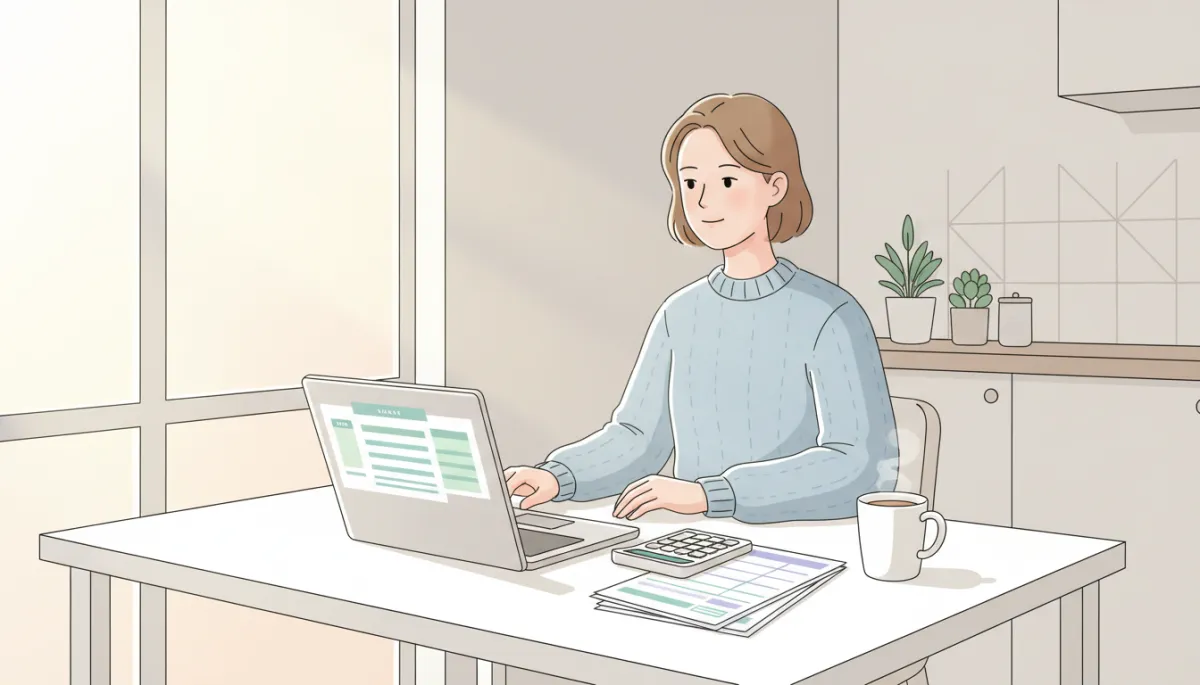
A realistic budget that includes hidden costs can prevent painful surprises after move‑in.
6. Letting Emotions Drive Every Decision
It’s easy to fall in love with a home’s charm and overlook serious drawbacks like a noisy street, long commute, or poor resale potential. Emotions are natural, but they shouldn’t override your priorities and budget. Create a written list of “must-haves,” “nice-to-haves,” and “dealbreakers” before you start viewing homes, and refer back to it when excitement tries to take over.
7. Skipping or Rushing the Home Inspection
Waiving an inspection to make your offer more attractive can expose you to costly structural, electrical, or plumbing issues later. Even in a competitive market, a professional inspection is your best chance to understand the home’s true condition. Be present if you can, ask questions, and use the report to negotiate repairs or price adjustments when appropriate.
8. Not Researching the Neighborhood Thoroughly
A beautiful home in the wrong location can quickly lose its appeal. Research school ratings, crime statistics, future development plans, and local amenities. Visit at different times of day to gauge traffic, noise, and overall feel. Remember, you can change a kitchen, but you can’t change your neighbors or move the house closer to work or family.
9. Making Big Financial Changes Before Closing
Once you’re under contract, lenders often re-check your credit and employment before closing. Taking on new debt—like a car loan, new credit card, or large furniture purchase—can change your debt-to-income ratio and jeopardize your mortgage approval. Avoid changing jobs, opening new credit, or making major purchases until the keys are officially in your hand.
10. Going It Alone Without Professional Guidance
Real estate agents, lenders, and closing professionals handle home purchases every day; first-time buyers do not. Trying to navigate contracts, negotiations, and legal details alone can lead to missed protections or unfavorable terms. Choose a trusted team that explains each step clearly, advocates for your interests, and helps you make decisions aligned with your goals—not just the excitement of the moment.
Moving Forward with Confidence
Avoiding these ten common mistakes won’t remove every challenge, but it will give you a stronger foundation for one of the biggest purchases of your life. Take your time, ask questions, and surround yourself with professionals you trust. With preparation and clear priorities, your first home can be a smart investment and a place you truly enjoy coming back to every day.
